
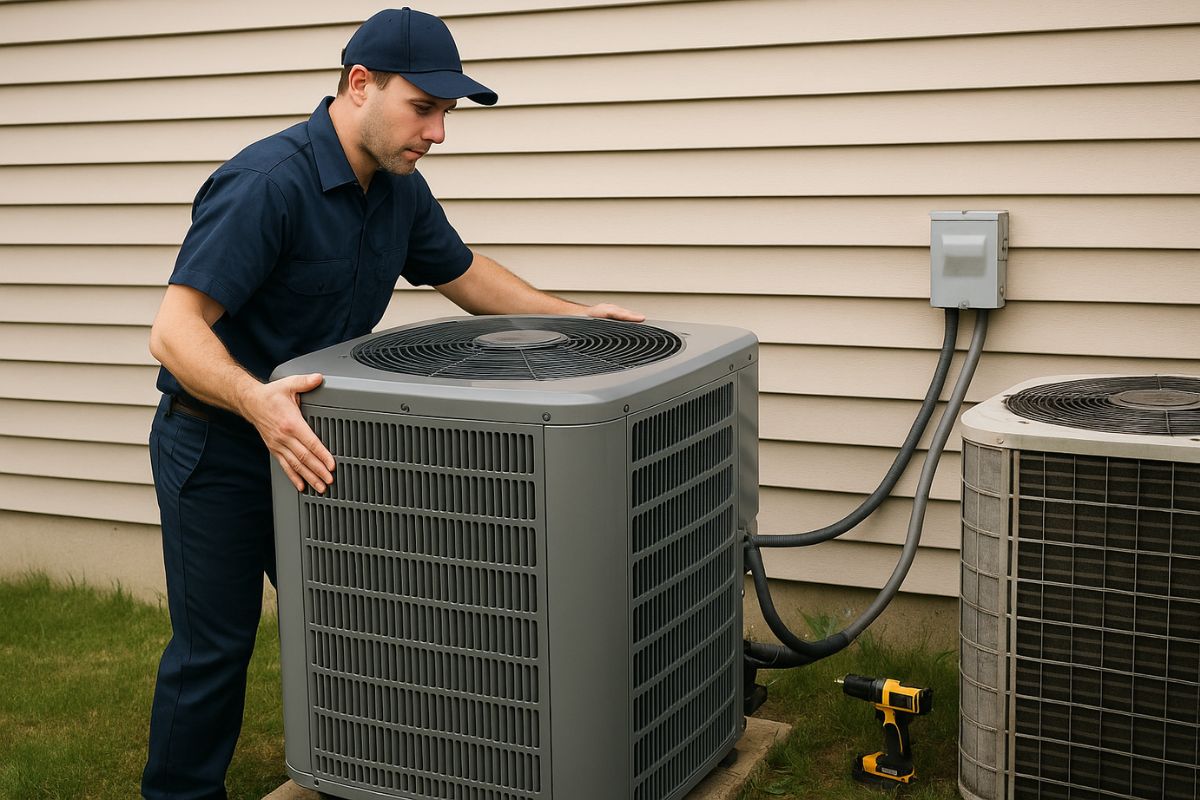
When your air conditioning system starts showing signs of age or frequent breakdowns, the question of replacement inevitably arises.
Understanding the costs involved in air conditioner replacement can help you budget effectively and make informed decisions about your home’s comfort system.
Average Air Conditioner Replacement Costs in 2025
The cost of replacing an air conditioning system varies significantly based on several factors, but homeowners can expect to invest between $3,500 and $12,000 for a complete system replacement in 2025.
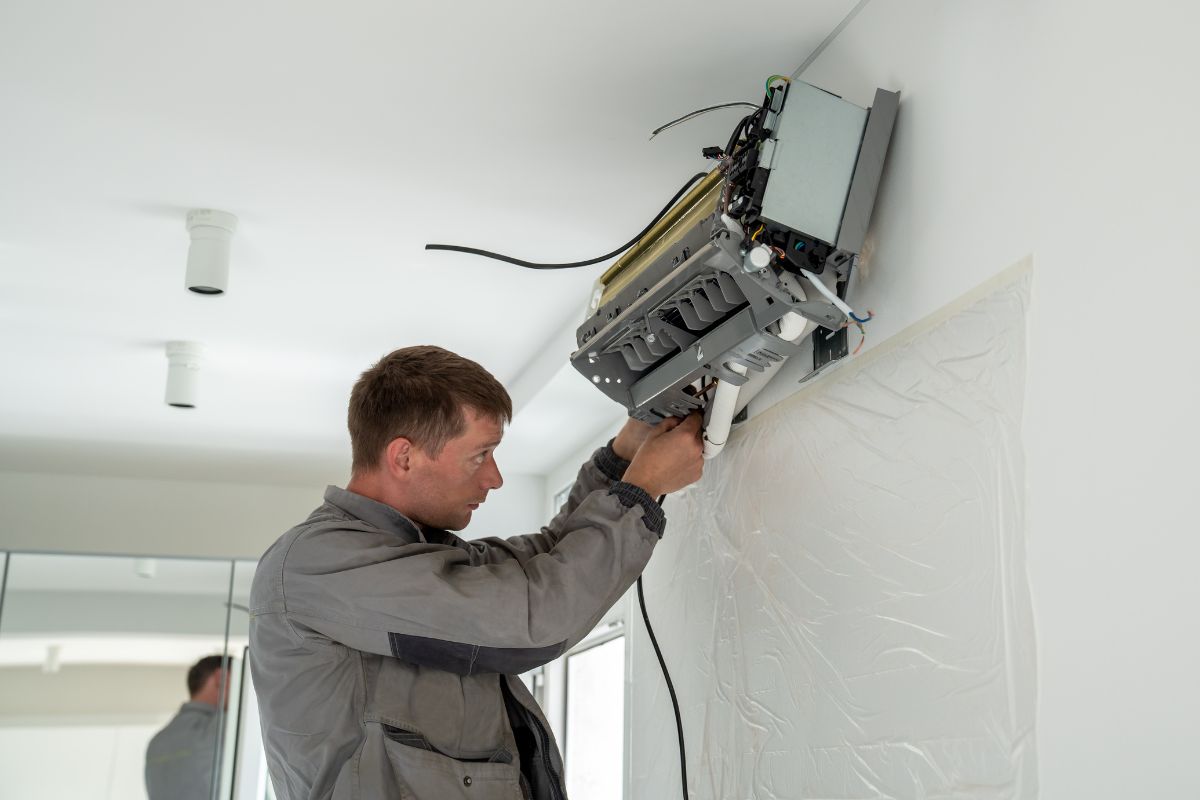
Here’s a breakdown of typical cost ranges:
Central Air Systems
- Basic systems: $3,500 – $6,000
- Mid-range systems: $6,000 – $9,000
- High-efficiency systems: $9,000 – $12,000+
Ductless Mini-Split Systems
- Single zone: $2,000 – $5,000
- Multi-zone systems: $6,000 – $15,000
Window Units
- Standard units: $200 – $800
- High-efficiency models: $800 – $1,500
Key Factors Affecting Replacement Costs
System Size and Capacity
The size of your air conditioning system, measured in tons or BTUs, directly impacts the cost. Larger homes require more powerful systems, which naturally cost more.
A professional load calculation will determine the appropriate size for your space, typically ranging from 1.5 tons for smaller homes to 5+ tons for larger residences.
Energy Efficiency Ratings
Higher SEER (Seasonal Energy Efficiency Ratio) ratings mean better energy efficiency but higher upfront costs. In 2025, new systems must meet minimum SEER requirements:
- SEER 15: Standard efficiency, lower cost
- SEER 16-20: Mid-range efficiency, moderate cost
- SEER 21+: High efficiency, premium pricing
Installation Complexity
Several installation factors can increase costs:
- Ductwork modifications or replacement
- Electrical upgrades for new systems
- Accessibility challenges
- Permit requirements
- Refrigerant line modifications
Brand and Quality
Premium brands typically command higher prices but often offer better warranties, reliability, and customer support.
Popular brands range from budget-friendly options to luxury systems with advanced features like smart home integration and variable-speed technology.
Regional Cost Variations
Geographic location significantly impacts replacement costs due to:
- Labor rates: Urban areas typically have higher installation costs
- Climate requirements: Extreme climates may necessitate more robust systems
- Local regulations: Building codes and permit fees vary by location
- Market competition: Areas with more HVAC contractors may have competitive pricing
Repair vs. Replacement: Making the Right Choice
Consider replacement when:
- Your system is over 10-15 years old
- Repair costs exceed 50% of replacement value
- Energy bills are consistently increasing
- The system uses R-22 refrigerant (being phased out)
- Frequent breakdowns occur despite regular maintenance
Additional Costs to Consider
Beyond the unit and basic installation, budget for:
- Ductwork inspection/repair: $1,000 – $5,000
- Electrical upgrades: $500 – $2,000
- Permits and inspections: $100 – $500
- Thermostat upgrade: $200 – $800
- Extended warranties: $200 – $1,000
Money-Saving Tips for 2025
Timing Your Purchase
- Off-season installation: Spring and fall often offer better pricing
- End-of-model-year sales: Manufacturers clear inventory with discounts
- Multiple quotes: Compare at least three licensed contractors
Financial Incentives
Take advantage of available programs:
- Federal tax credits: Up to 30% for qualifying high-efficiency systems
- State and local rebates: Vary by location and utility company
- Manufacturer rebates: Seasonal promotions from equipment manufacturers
- Financing options: Low-interest or 0% APR programs
Energy Efficiency Considerations
While high-efficiency systems cost more upfront, they can provide significant long-term savings:
- Lower monthly energy bills
- Increased home value
- Better comfort and air quality
- Reduced environmental impact
Planning for Your Replacement
When to Start Shopping
Begin researching replacement options before your current system fails completely. Emergency replacements often result in higher costs and limited options.
Choosing the Right Contractor
Select a contractor who:
- Holds proper licensing and insurance
- Provides detailed written estimates
- Offers warranties on both equipment and installation
- Has positive customer reviews and references
- Performs proper load calculations
Maintenance for Longevity
Protect your investment with regular maintenance:
- Change filters every 1-3 months
- Schedule annual professional tune-ups
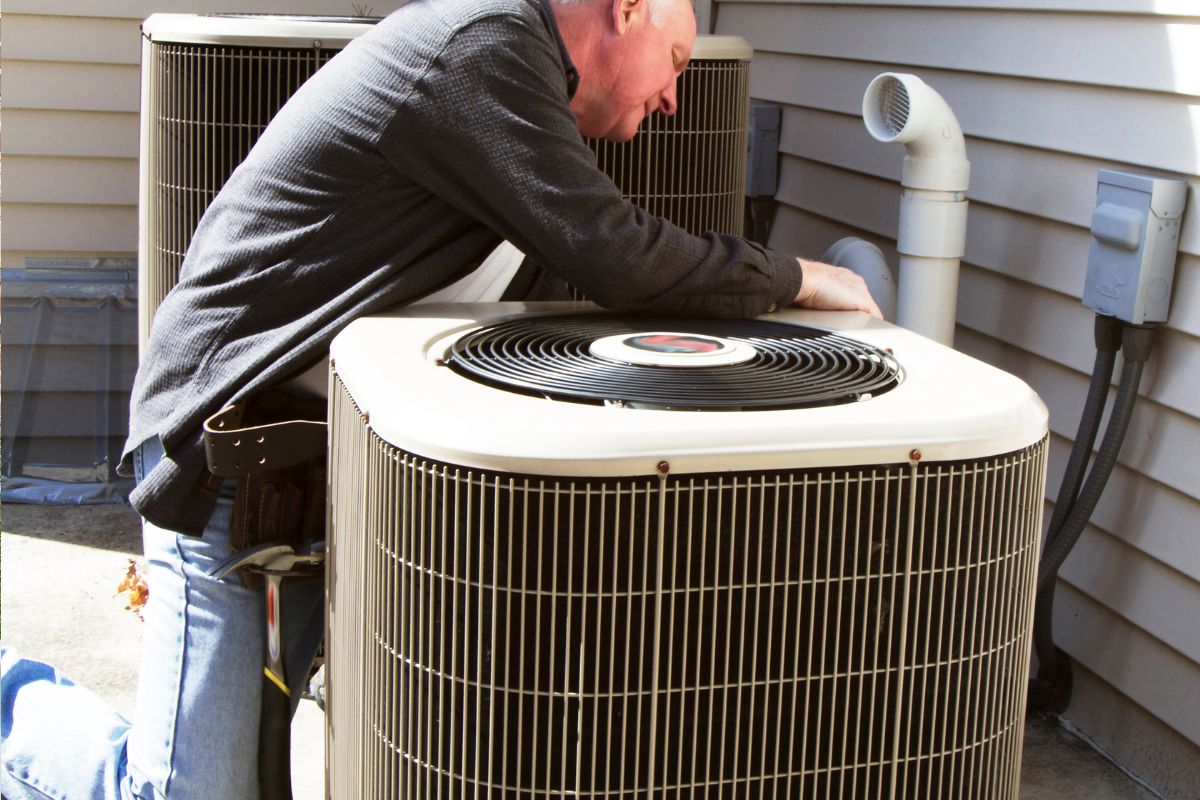
- Keep outdoor units clear of debris
- Monitor system performance regularly
What to Expect in 2025
Several key developments shape the air conditioning replacement landscape in 2025:
Enhanced Smart Integration
Modern AC systems now feature advanced connectivity with home automation systems, predictive maintenance alerts, and AI-driven efficiency optimization that can reduce energy consumption by up to 20%.
Refrigerant Transition
The ongoing shift to R-32 and other eco-friendly refrigerants is creating pricing advantages for newer systems while making older R-410A systems more expensive to service.
Heat Pump Adoption
The growing popularity of dual-purpose heat pump systems offers year-round climate control, with many models now performing efficiently even in colder climates previously unsuitable for heat pump technology.
Flexible Financing
Manufacturers and contractors are expanding financing options, including longer-term payment plans and energy-efficiency loans that make high-performance systems more accessible to homeowners.
Making Your Decision
Replacing an air conditioning system represents a significant investment in your home’s comfort and value.
While the upfront costs may seem substantial, a properly sized and installed system will provide years of reliable service while potentially reducing your energy costs.
When planning your replacement, consider the total cost of ownership rather than just the initial price.
A slightly more expensive, high-efficiency system may provide better value through lower operating costs and increased reliability.
Remember that professional installation is crucial for optimal performance and warranty protection. Working with qualified contractors ensures your new system will operate efficiently and safely for years to come.
Making an Informed AC Replacement Decision
Air conditioner replacement costs in 2025 continue to reflect the balance between upfront investment and long-term value.
By understanding the factors that influence pricing and taking advantage of available incentives, homeowners can make informed decisions that provide comfort, efficiency, and peace of mind.
Whether you’re dealing with an aging system or planning a proactive upgrade, proper research and professional guidance will help ensure you get the best value for your investment in home comfort.
