
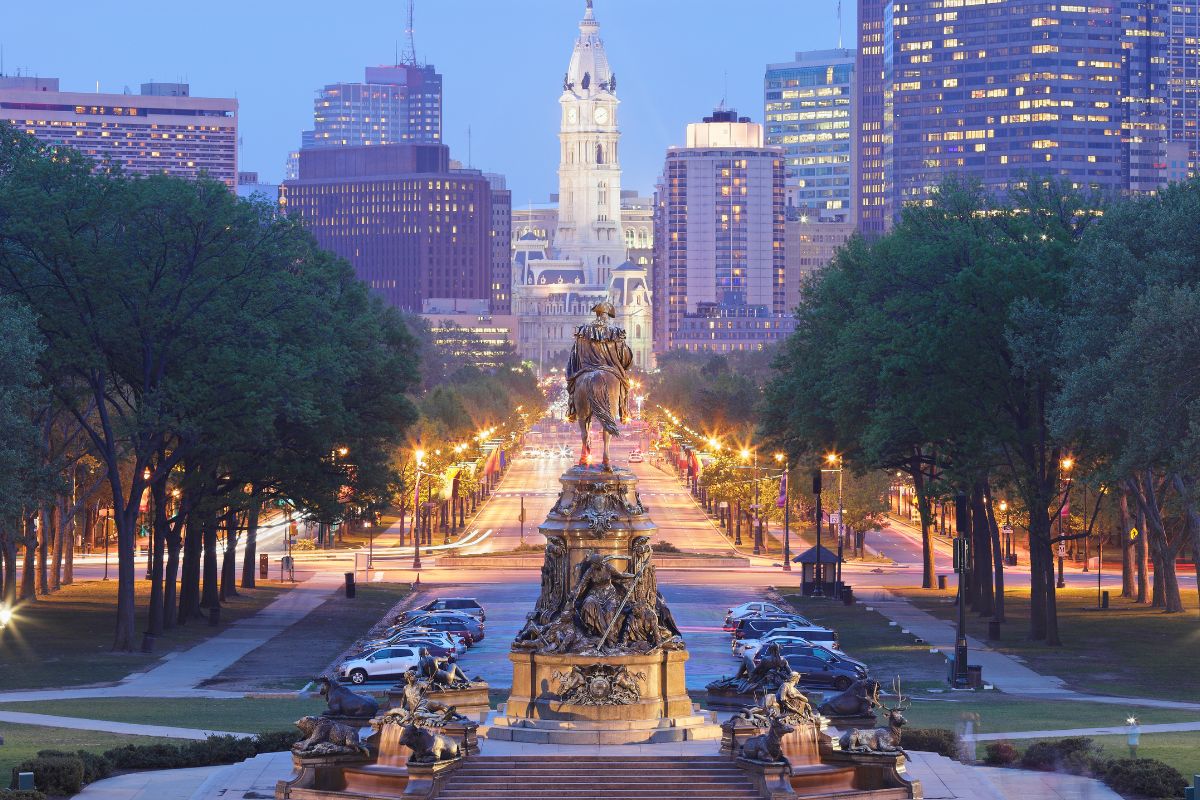
Boston and Philadelphia are often grouped together as historic East Coast cities, but spending time in each reveals how different they really are.
Their architecture reflects not just age, but attitude. One city grew by adapting as it went. The other was shaped by a plan and stuck to it.
Those choices still affect how streets feel, how buildings age, and how people experience everyday life.
Architectural Differences That Define Both Cities
Below are five architectural contrasts that explain why Boston and Philadelphia look similar on paper but feel completely different on the ground.

1. Street Layout and Urban Logic
Boston’s street layout feels inherited rather than designed. Many roads follow old footpaths, shoreline edges, or colonial property lines.
Buildings adapt to these conditions, bending around corners or filling irregular parcels. This creates character, but it also makes the city feel unpredictable and tightly packed.
Philadelphia’s grid tells a different story. Streets run straight, blocks repeat, and buildings sit comfortably within a clear order.
That logic shapes how architecture is placed and how people navigate the city.
For those comparing life between the two, including people working with movers from Boston to Philadelphia, this contrast becomes noticeable almost immediately when walking the streets.
2. Residential Building Types
Boston neighborhoods lean vertical. Triple-deckers, stacked townhouses, and compact apartment buildings reflect limited land and long-term density pressure.
Shared staircases and multi-level living shape daily interaction and privacy in subtle ways.
Philadelphia is defined by the rowhouse. Long streets of attached homes create a steady rhythm at street level. Density comes from repetition rather than height.
That horizontal continuity changes how neighborhoods feel and how residents relate to the street outside their front door.
3. Use of Brick and Exterior Detail
Both cities rely heavily on brick, but they treat it differently.
In Boston, brick often feels structural and restrained. Facades are simple, and age shows through texture rather than decoration.
Philadelphia uses brick more expressively. Decorative patterns, stone lintels, cornices, and subtle color shifts appear even on modest homes.
Brick becomes part of the city’s visual identity. This gives Philadelphia streets a stronger sense of uniformity, while Boston’s masonry feels quieter and more utilitarian.
4. Adaptive Reuse and Old Buildings
Boston’s approach to adaptive reuse is closely tied to institutions.
Universities, hospitals, and research centers absorb historic buildings and adapt them internally, often keeping their exterior appearance intact.
Philadelphia’s reuse story is more industrial. Former factories and warehouses become housing, studios, or offices, often retaining exposed structures and large interior volumes.
These spaces openly reflect the city’s manufacturing past rather than hiding it behind new finishes.
5. Relationship Between Buildings and Public Space
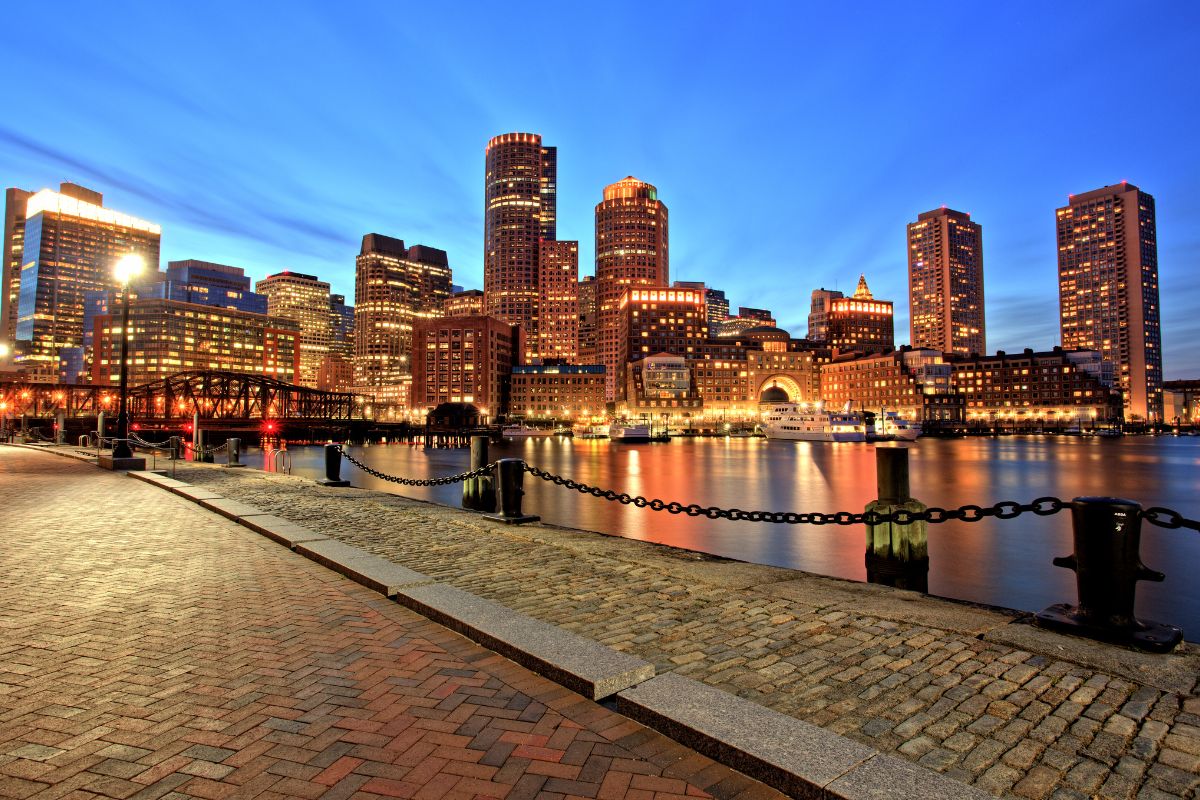
Boston blends architecture into public space.
Parks, paths, and waterfronts feel layered into the city fabric, with buildings opening directly onto them. The boundary between civic and residential space often feels soft.
Philadelphia frames public space more clearly. Squares and parks are defined by surrounding architecture that establishes strong edges.
Buildings act as anchors, giving public areas a sense of form and order that contrasts with Boston’s more organic overlap.
Final Thoughts
Boston and Philadelphia share history, but their architecture tells two different stories. Boston reflects adaptation shaped by constraint.
Philadelphia reflects order built on consistency. These differences influence how people live, move, and connect to their surroundings.
In both cities, architecture is not background scenery. It actively shapes everyday experience.
Frequently Asked Questions
How do zoning laws influence architectural character in Boston and Philadelphia?
Zoning plays a quieter but powerful role in shaping both cities.
Boston’s zoning has historically allowed tighter lots and vertical additions, which reinforces density and stacked housing.
Philadelphia’s zoning evolved to protect rowhouse continuity and consistent street walls.
These regulatory differences influence renovation limits, building heights, and mixed-use development, often determining how much architectural experimentation is possible within each neighborhood.
Which city offers more flexibility for contemporary residential design?
Philadelphia generally offers more flexibility for contemporary residential projects, especially within former industrial zones and underused corridors.
Larger parcels and adaptive reuse policies make it easier to experiment with layouts and materials.
Boston’s historic overlays and stricter review processes often prioritize preservation, which can limit exterior changes but encourage creative interior solutions within older structures.
How do climate considerations affect architectural decisions in both cities?
Climate subtly shapes design choices in each city. Boston’s colder winters and coastal exposure encourage compact forms, heavier insulation, and weather-resistant materials.
Philadelphia’s milder winters and hotter summers influence shading strategies, ventilation, and facade treatments.
Over time, these environmental pressures have contributed to differences in roof forms, window proportions, and building orientation.
What role does neighborhood identity play in architectural preservation?
Neighborhood identity strongly affects preservation priorities in both cities. In Boston, historic districts often protect entire streetscapes tied to colonial or academic history.
In Philadelphia, preservation frequently focuses on maintaining rowhouse continuity and neighborhood scale.
Community involvement is key in both places, but the architectural elements residents choose to protect often reflect different cultural and historical values.
