
Thinking about home upgrades? You’re probably wondering which ones are worth your time and money.
It’s easy to get caught up in trends that look good but don’t actually add value in the long run.
The truth is, some of the best improvements are the ones that not only make your home more comfortable but also better for the environment.
Eco-friendly upgrades are becoming more popular—and for good reason. They help reduce your energy and water bills, create a healthier living space, and can even boost your property’s value if you ever decide to sell.
The best part? You don’t need to do a full renovation to see results. A few smart changes can make a big difference.
In this article, we’ll look at simple, sustainable upgrades that are good for your home, your wallet, and the planet.
Refresh Your Sleep Space with Sustainable Choices
The bedroom might not be the first place you think of when it comes to eco-friendly upgrades, but it’s actually a great starting point.

We spend around a third of our lives sleeping, so it makes sense to create a healthier, more sustainable sleep space.
One easy change is to look at what you’re sleeping on. Many people are now switching to bamboo mattresses, and for good reason.
They’re made from renewable materials, naturally breathable, and kinder to sensitive skin.
These mattresses help regulate temperature, so you sleep comfortably all year round. They’re also durable, which means you won’t need to replace them anytime soon.
Beyond your mattress, consider choosing organic cotton sheets or bedding made from linen.
Avoid synthetic materials that don’t breathe well and usually end up in landfills.
You can also swap out your old furniture for pieces made from reclaimed or sustainably sourced wood.
Together, these changes create a more inviting bedroom that feels fresh, natural, and appealing to future buyers.
Add Double-Glazed Windows and Upgrade Insulation
Keeping your home warm in winter and cool in summer can be expensive if your insulation isn’t up to scratch.
Investing in proper insulation and double-glazed windows helps reduce energy use and keeps your space comfortable all year.
These upgrades pay off in the long run. Homes with quality insulation and modern windows often sell faster and at a higher price.
You’ll also notice lower energy bills almost straight away. It’s a smart move both for your wallet and the planet.
If you’re not ready to replace all your windows, even sealing gaps and adding thermal curtains can make a difference.
Switch to LED Lighting for Energy Savings
Lighting is one of the easiest and most affordable areas to update.
Replacing your old bulbs with LED ones can cut your energy use without changing your daily habits. LEDs use far less electricity and last much longer than traditional bulbs.
You could also add dimmer switches or smart lighting systems that let you adjust brightness or turn off lights remotely.
These small changes help reduce waste and make your home feel more modern.
Install Water-Saving Bathroom Fixtures
Water bills can creep up quickly, especially in busy households.
Updating your bathroom with water-efficient taps, dual-flush toilets, and low-flow shower heads is a simple way to save both water and money.
These changes are usually quick to install and make a noticeable difference. They’re also something homebuyers look for when browsing listings.
People love knowing that a house is already fitted with eco-friendly, low-maintenance features.
Consider Solar Panels for Long-Term Returns
Solar panels are one of the more significant investments on this list, but they can really pay off.
They reduce your reliance on the grid and bring long-term savings on electricity bills.
In some areas, you might even be able to sell unused power back to the energy provider.
In terms of resale value, many buyers are drawn to homes with solar already installed. It shows that the home is future-ready and can offer energy independence.
Before installing, check whether your roof gets enough sunlight and look into local incentives or rebates. These can often help offset the cost.
Use Low-VOC Paint and Sustainable Flooring
If you’re planning to repaint or replace flooring, make choices that are better for your health and the environment.
Standard paints often release VOCs (volatile organic compounds), which can cause indoor air pollution.
Low-VOC or VOC-free paints are widely available now and come in just as many colours.
When it comes to flooring, try to avoid synthetic carpets and plastics. Natural options like cork, reclaimed wood, or bamboo are much better choices. They look great, feel good underfoot, and are more sustainable.
These materials are often easier to clean, too, which helps with long-term upkeep.
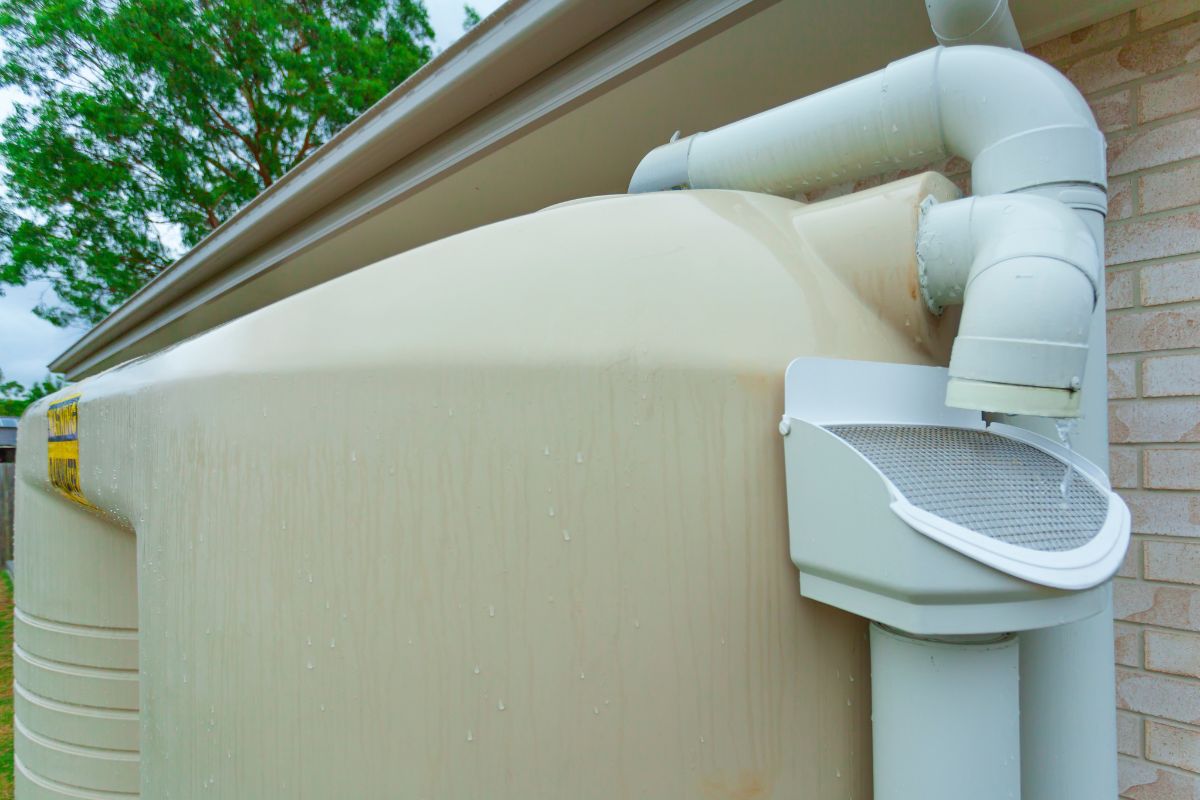
Add a Compost or Rainwater Collection System
Not all home upgrades have to happen inside. If you have outdoor space, consider setting up a compost bin or a rainwater tank.
Composting helps reduce kitchen waste and creates rich soil for your garden.
Rainwater tanks can be used for watering plants, cleaning outdoor areas, or even flushing toilets in some setups.
These features are simple to install and show that your home supports a greener lifestyle.
They’re especially appealing to buyers who are interested in gardening or self-sufficiency.
Grow a Low-Maintenance, Native Garden
Traditional lawns need a lot of water and effort to stay green. Instead, try planting native plants that thrive in your local climate.
They use less water, attract helpful wildlife, and require less upkeep throughout the year.
You can also reduce evaporation by adding mulch or choosing ground covers that don’t need mowing.
A well-planned, low-maintenance garden looks great and is much more sustainable than a high-maintenance lawn.
Even if you only have a small outdoor area, a few thoughtful plant choices can go a long way.
Making your home more eco-friendly doesn’t have to mean major construction or huge costs.
Many of the upgrades we’ve talked about are simple and affordable. They add comfort, reduce waste, and can boost the value of your home.
Whether you’re staying long-term or thinking about selling, starting with a few changes now will make your home a better place to live.
Pick one or two projects that suit your space and budget, and build from there. You’ll enjoy the benefits every day—and so will the planet.
