

Log cabins have an enduring charm that appeals to both the romantic and the practical.
Nestled amidst the picturesque landscapes of Illinois, these cabins offer an idyllic retreat from the hustle and bustle of modern life.
However, living in a log cabin in the Land of Lincoln comes with its unique challenges, especially when it comes to maintaining four-season comfort, as harsh winters and sweltering summers are part of the package deal in Illinois.
To ensure that your log cabin remains a haven of comfort throughout the year, it’s crucial to invest in efficient heating and insulation solutions.
In this article, we will explore the best options for heating and insulation to keep your Illinois log cabin cozy and comfortable year-round.
Understanding The Log Cabin Challenge
Park model cabins have a distinctive charm thanks to their rustic aesthetics and natural materials. Yet, these very features can make them challenging to heat and insulate effectively.
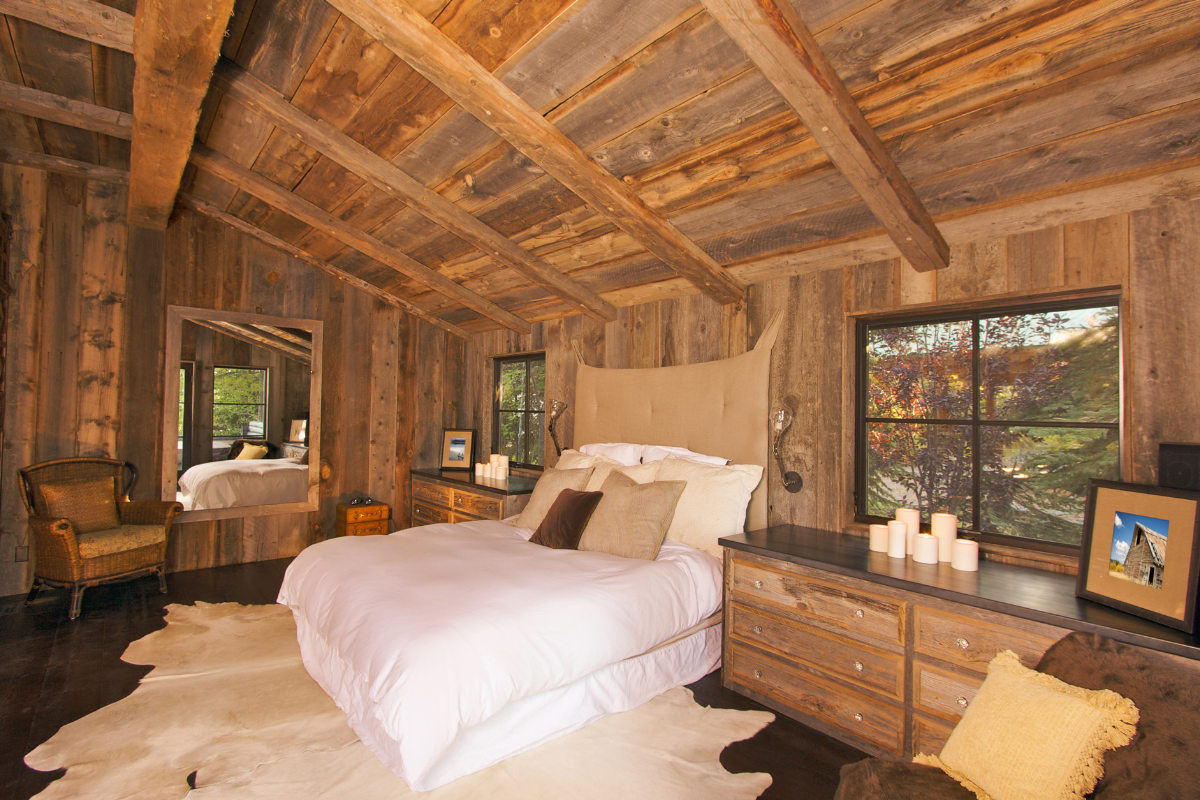
The large wooden walls, while beautiful, are not as insulating as modern construction materials like concrete or drywall.
But, whether you’ve already purchased a log cabin or you’re seriously considering it, you’ll need to keep it warm and cozy, so let’s have a look at the most effective heating options for your Illinois log cabin.
Efficient Heating Solutions
Wood-Burning Stoves
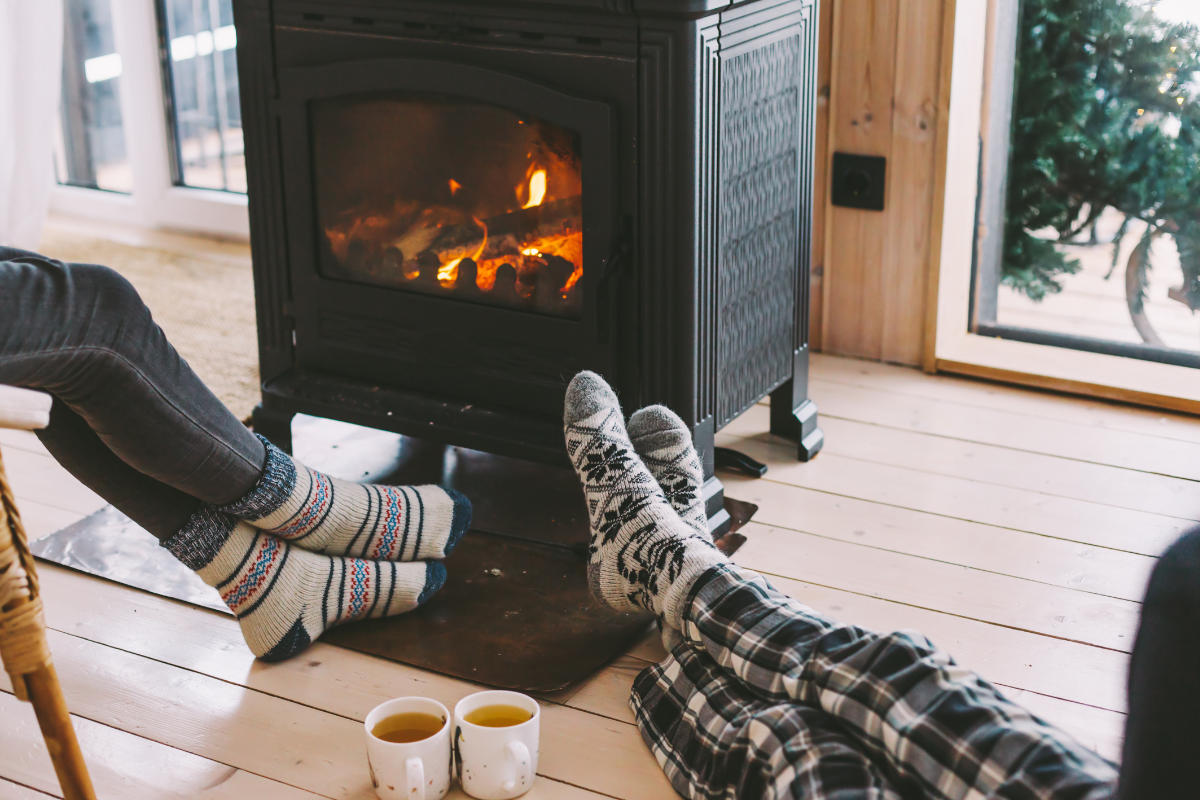
Traditional wood-burning stoves are a popular choice for log cabins in Illinois. Not only do they contribute to the cabin’s rustic ambiance, but they also provide reliable heat.
Burning wood is a sustainable option if you have access to a good supply of firewood. Additionally, modern wood stoves are highly efficient and produce minimal smoke and emissions.
Pellet Stoves
Pellet stoves are another eco-friendly heating option. They use compressed wood or biomass pellets as fuel, offering a clean and convenient way to heat your cabin. They require less effort and maintenance compared to traditional wood stoves.
Electric Heaters
Electric heaters are rather easy to install and provide quick, consistent heat. They are a practical choice for smaller log cabins or as supplementary heating in larger cabins. Look for energy-efficient models to minimize electricity consumption.
Propane or Gas Heaters
Propane or gas heaters can be an excellent choice for log cabins without access to wood or electricity. They are highly efficient and can provide a steady source of heat.
However, you’ll need to ensure proper ventilation and consider safety precautions when using gas heaters.
Geothermal Heating
For those looking for a sustainable, long-term solution, geothermal heating systems are worth considering. They use the stable temperature of the earth to provide both heating and cooling.
While the initial investment can be high, geothermal systems offer energy savings as well as environmental benefits over time.
Effective Insulation Strategies
Chinking and Caulking
Chinking and caulking are essential for sealing gaps between logs.
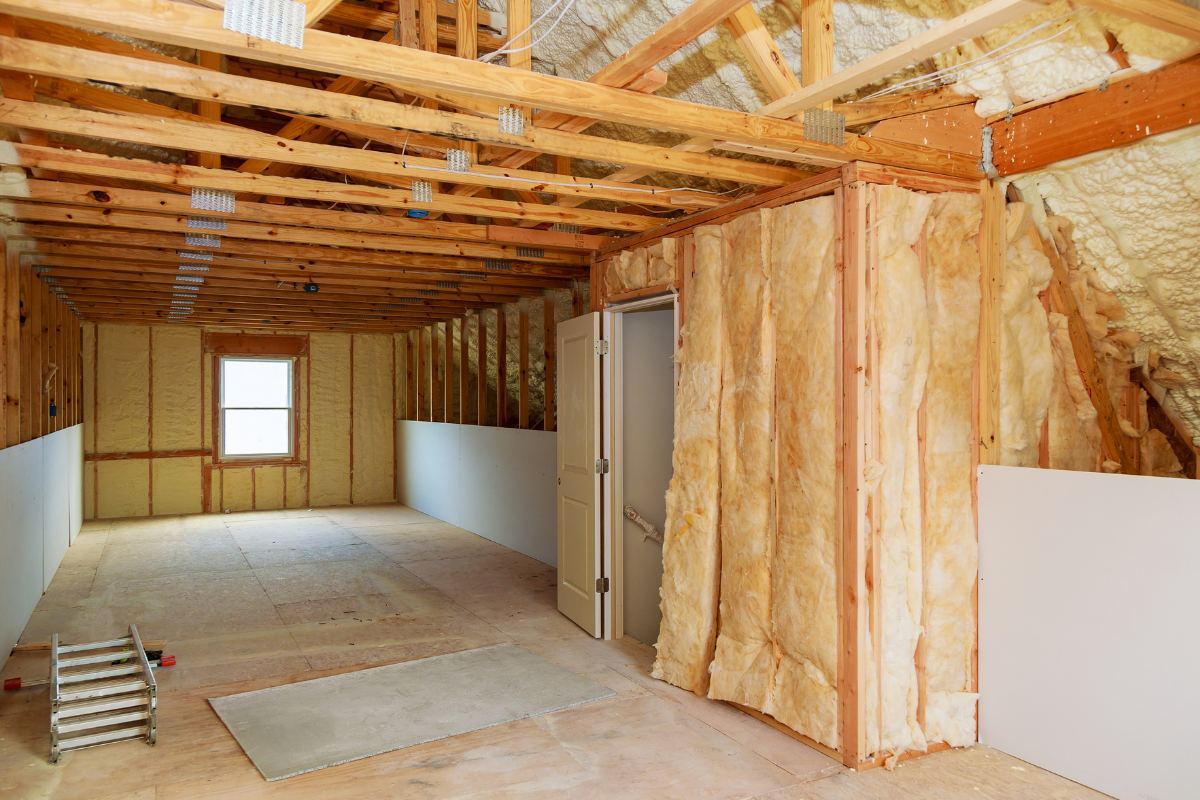
Over time, these gaps can develop, allowing drafts and moisture to penetrate the cabin. Regular maintenance to fill and seal these gaps is crucial for insulation.
Double-Pane Windows
Single-pane windows are a significant source of heat loss. Replacing them with double-pane or insulated windows can significantly improve insulation and energy efficiency. Make sure the windows are well-sealed to prevent drafts.
Insulated Doors
Just like windows, exterior doors should be insulated. Consider installing weatherstripping and door sweeps to prevent drafts. Upgrading to insulated doors can further improve energy efficiency.
Roof Insulation
Adequate roof insulation is essential for maintaining a comfortable temperature in your log cabin.
Insulating the attic space and using reflective or radiant barriers can help keep heat in during the winter and out during the summer.
Floor Insulation
If the log cabin is built on a raised foundation, insulating the floor can help prevent heat loss through the ground. Insulating crawl spaces and installing proper vapor barriers are essential steps.
Interior Wall Insulation
While log cabins have exterior walls made of logs, you can add insulation to interior walls.
This can be done using fiberglass batts or spray foam insulation. It can make a big difference in maintaining a comfortable indoor temperature.
HVAC Systems
For larger log cabins or those with modern additions, consider installing a central heating and cooling system.
High-efficiency HVAC systems can provide precise temperature control and consistent comfort throughout the year.
Additional Tips For Four-Season Comfort
- Regular Maintenance: The key to maintaining comfort in your log cabin is regular maintenance. Inspect your cabin annually for gaps, leaks, and other issues that can compromise insulation and heating.
- Use Thermal Curtains: Thermal curtains can help retain heat during the winter and block out the sun’s heat during the summer. They are an affordable addition to your cabin’s insulation strategy.
- Seal Ducts and Vents: If you have a central HVAC system, ensure that ducts and vents are properly sealed to prevent heat loss. Leaky ducts can reduce the system’s efficiency significantly.
- Proper Ventilation: Adequate ventilation is essential for preventing moisture buildup, which can damage the logs and insulation. Install ventilation systems like ridge vents or attic fans to maintain optimal conditions.
- Consider Passive Solar Design: If you are building a new log cabin, consider incorporating passive solar design principles. This can maximize the cabin’s energy efficiency by utilizing natural sunlight and heat.
Conclusion
Living in an Illinois log cabin can be a dream come true, but it comes with the responsibility of maintaining four-season comfort.
Effective heating and insulation solutions are essential to combat the state’s extreme weather conditions.
Whether you opt for wood stoves, modern heating systems, or a combination of both, ensuring proper insulation and regular maintenance is key to enjoying your log cabin year-round.
With the right strategies in place, your log cabin can be a cozy, inviting retreat, no matter what the Illinois weather throws your way.
