

Technology is moving fast, and online businesses are adapting just as quickly. Every year brings tools that change how companies interact with customers, manage operations, and compete globally.
These shifts don’t just influence large corporations. Even small shops and startups now have access to advanced systems that once required huge budgets.
To see where online businesses are heading, it’s worth looking at the key innovations shaping the present.
Artificial Intelligence Becomes Everyday Infrastructure
AI is no longer a futuristic concept. It has become part of daily operations for many online businesses.
Recommendation engines on shopping sites, chatbots for instant replies, and automated fraud detection are now standard. What used to require teams of specialists can now be done through affordable cloud services.
AI-powered analytics help companies predict demand, personalize marketing, and optimize pricing.
A clothing brand, for example, can analyze browsing patterns and suggest items tailored to each customer. For smaller firms, it’s about staying competitive without needing large research budgets.
One area seeing strong growth is AI-assisted content creation. Tools generate product descriptions, translate texts instantly, or even provide voiceovers.
They don’t replace creative teams but help scale output faster. This allows businesses to focus energy on strategy while automating routine work.
And for companies exploring new markets, AI-driven research platforms even highlight opportunities in niches as gaming or emerging regional industries. These insights give entrepreneurs a sharper edge when entering crowded markets.
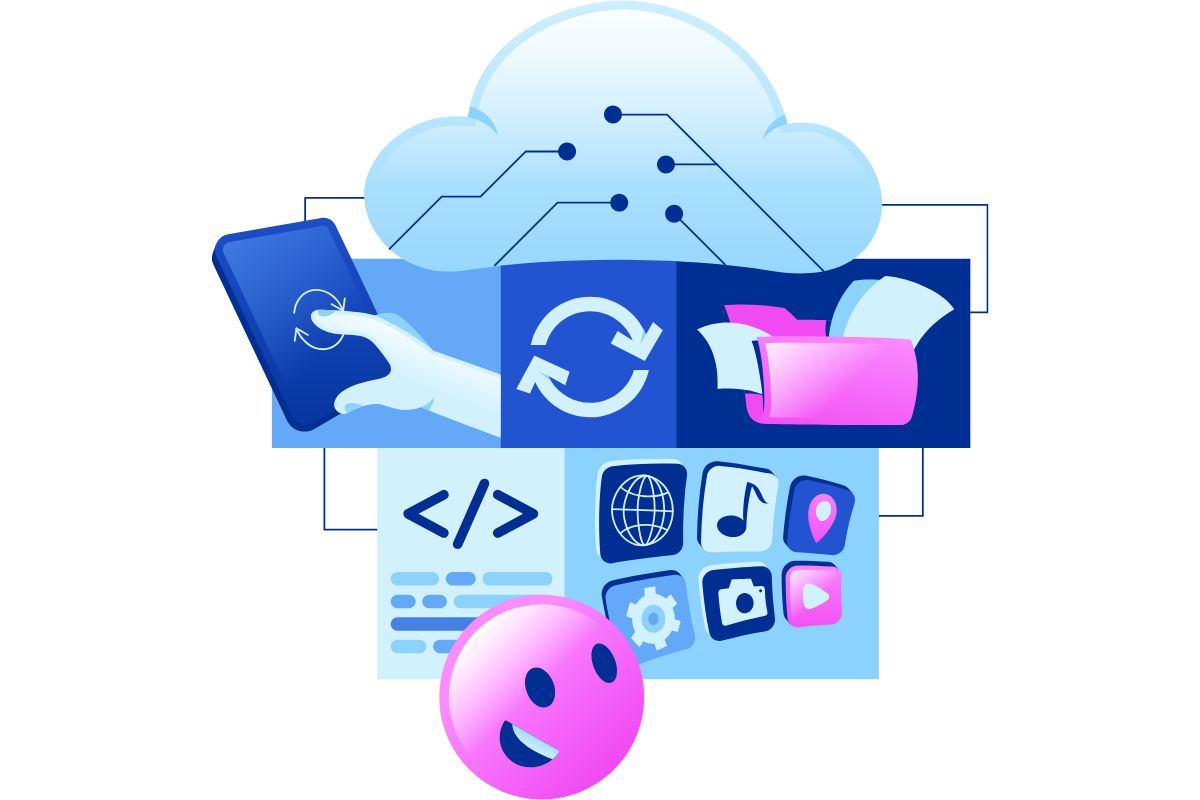
Cloud Services Level the Playing Field
Not long ago, setting up a global online platform required serious capital for servers and software. Cloud infrastructure changed that completely.
Now, businesses can launch services worldwide with minimal upfront cost. Platforms like AWS, Microsoft Azure, and Google Cloud provide scalable computing power, data storage, and tools for building applications on demand.
Cloud services offer flexibility that supports growth. If traffic spikes after a viral campaign, companies can scale up instantly.
When sales slow, they can scale down to reduce expenses. This elasticity means businesses of all sizes can operate more efficiently.
The shift to cloud has also opened the door to better security features. Providers invest heavily in compliance, encryption, and backup systems, which would be too expensive for small firms to manage alone. For many startups, this reliability is what makes them viable from day one.
Payment Systems Become Smarter and Faster
Online payments have evolved from simple credit card processing to a wide range of secure and seamless options.
Digital wallets, contactless payments, and cryptocurrency gateways are now integrated into e-commerce systems. Customers expect speed and safety, and businesses that fail to deliver lose sales.
Fintech innovations are also reshaping how companies handle transactions. Real-time settlement reduces delays in receiving funds.
Subscription-based billing systems simplify recurring payments for digital services. In some regions, buy now, pay later services are driving growth by making online purchases more accessible.
For cross-border trade, new fintech platforms eliminate old barriers. They provide multi-currency support, lower transfer fees, and faster clearing.
This helps even small sellers expand into international markets without complex financial setups.
Popular payment innovations shaping online business today
- Digital wallets like PayPal, Apple Pay, and Google Pay, offering one-click checkout.
- Instant settlement systems that cut down waiting times for fund transfers.
- Cryptocurrency gateways allowing access to new customer groups.
- BNPL solutions (buy now, pay later) increasing conversion rates.
These methods not only improve user experience but also give businesses new ways to attract and retain customers.
Automation in Logistics and Supply Chains
Behind every online purchase lies a complex supply chain. Automation is making it more efficient. Robotics in warehouses, automated inventory tracking, and predictive restocking are now common.
Large players like Amazon set the standard, but smaller businesses can also access similar tools through third-party services.
Delivery has become a point of competition. Same-day or next-day shipping requires precision.
Automated systems route packages, optimize delivery schedules, and monitor inventory in real time. Without these systems, meeting customer expectations would be impossible.
Even last-mile delivery is changing. Drones and autonomous vehicles are being tested, though not yet widespread.
More realistic innovations are route optimization apps for drivers and smart lockers for drop-offs. These cut costs and increase reliability.
Key benefits of automation in logistics
- Faster order processing with fewer errors.
- Real-time visibility into stock levels and delivery stages.
- Lower operational costs through optimized routing and inventory control.
As customers demand speed and accuracy, businesses that embrace automation will stay ahead of competitors.
Personalization Through Data Insights
Online businesses have more access to customer data than ever before. The challenge is turning this information into value.
Advanced analytics tools now make it possible to understand not only what customers buy but why they buy. That shift from descriptive to predictive insight is a game changer.
For e-commerce, this means personalized product suggestions, tailored discounts, and even unique homepage layouts for each visitor. Streaming platforms personalize playlists.
Online education platforms suggest courses based on previous study patterns. Every interaction becomes more relevant, which keeps users engaged.
Privacy rules have forced companies to rethink how they use data. Compliance with GDPR and similar laws requires transparency and consent.
But rather than slowing progress, it has led to smarter practices. Companies now prioritize trust and clarity, which strengthens customer loyalty.
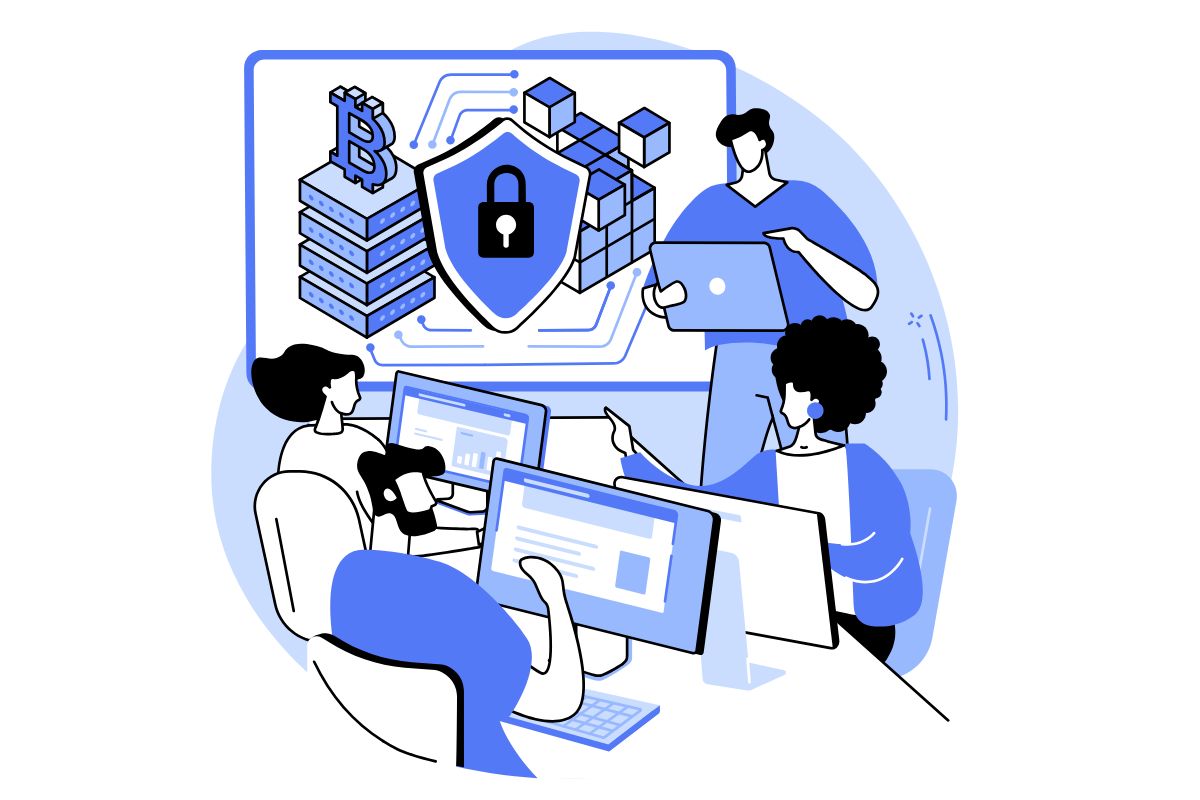
Cybersecurity as a Business Priority
The more business goes digital, the bigger the risks. Cybersecurity is no longer an IT department issue.
It’s a core business priority. Data breaches can cost millions and damage reputations instantly. Phishing attacks, ransomware, and credential theft target companies of all sizes.
Modern solutions include biometric authentication, advanced encryption, and AI-driven threat detection.
Multi-factor authentication has become standard across platforms. Security isn’t just about protecting assets but also about building customer trust.
Some companies now market their strong security as a competitive advantage. Customers are more likely to buy from businesses that demonstrate robust protection. In online commerce, trust equals revenue.
Practices improving cybersecurity for online businesses
- Regular security audits to identify vulnerabilities.
- Multi-factor authentication for customer and employee accounts.
- AI-based monitoring tools that flag suspicious activity in real time.
- Employee training to reduce risks from phishing and human error.
Even simple improvements in security can have a major impact, both in reducing risk and improving customer confidence.
Virtual and Augmented Reality in Commerce
AR and VR technologies are moving from gaming into mainstream business use. Retailers use AR apps to let customers preview furniture in their homes or test how a pair of glasses fits their face. VR showrooms allow brands to display collections in immersive ways without physical stores.
These tools reduce uncertainty in online shopping. When customers know what to expect, they are more likely to complete a purchase and less likely to return products. That saves businesses money and strengthens satisfaction.
The technology is also changing events and training. Companies host VR conferences, product launches, and virtual trade shows. This extends reach while lowering travel costs.
Conclusion
Innovations in technology keep reshaping the way online businesses operate. From AI and cloud services to smarter payment systems and immersive customer experiences, every tool changes how companies compete and grow.
What stands out is accessibility. Tools that once required corporate budgets are now available to startups and independent sellers.
Success comes from how well businesses adopt these technologies, not just from the tools themselves.
