
The Meaning of Reading Spaces in Modern Homes
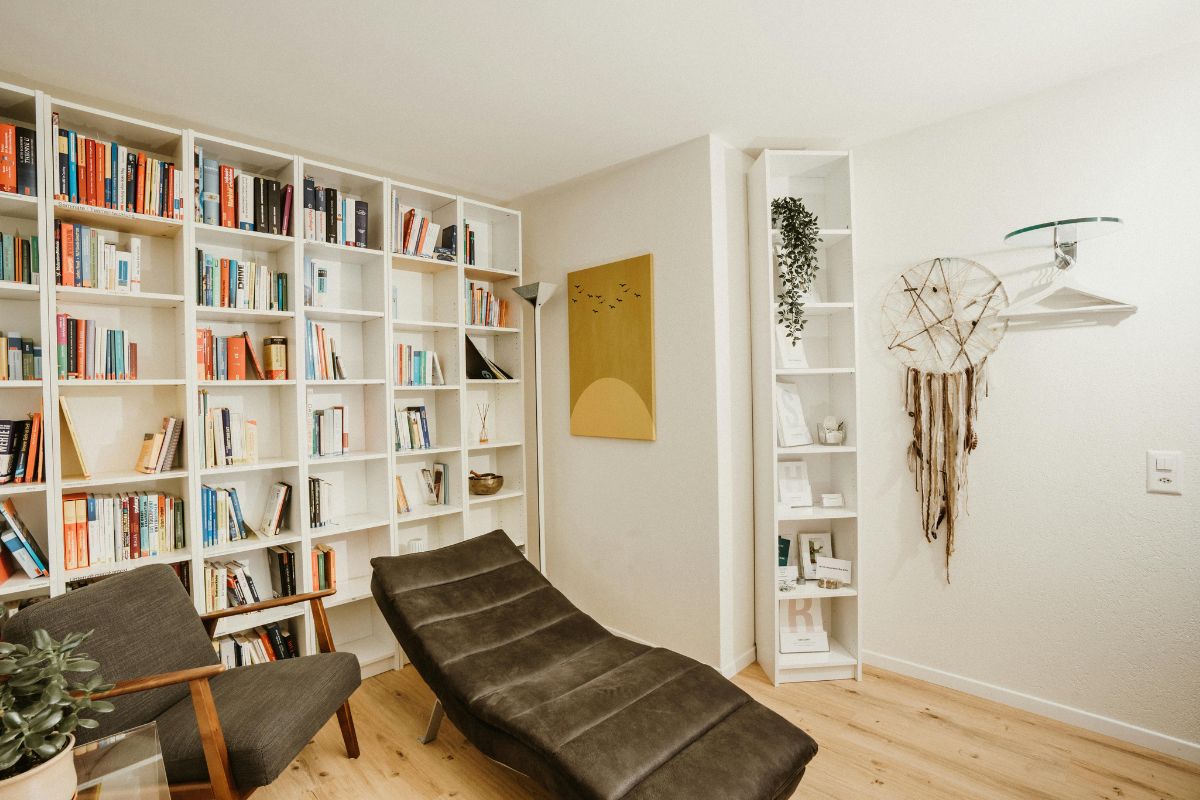
A home often tells stories about the people who live in it. The books on a shelf can say as much as the pictures on the wall. Creating a reading space inside a house is not only about comfort but also about cultural identity.
It shows where people come from and what ideas they value. Some fill their reading corners with classics passed down for generations while others arrange shelves with contemporary works that echo personal journeys. These spaces become a form of self-expression and a way to anchor identity in bricks and mortar.
Zlibrary works as a large digital library on many different topics. Yet even in an era of screens people still value the physical presence of books in their homes.
A chair near a window with stacked volumes signals belonging and history. In real estate such features often raise the charm of a property.
Buyers see a home not just as walls and floors but as a stage for personal narratives where books play a starring role.
Real Estate and the Symbolism of Bookshelves
When developers design homes they know that a small alcove with shelves can influence the way a place feels. A room with a visible reading corner often appears warmer and more human.
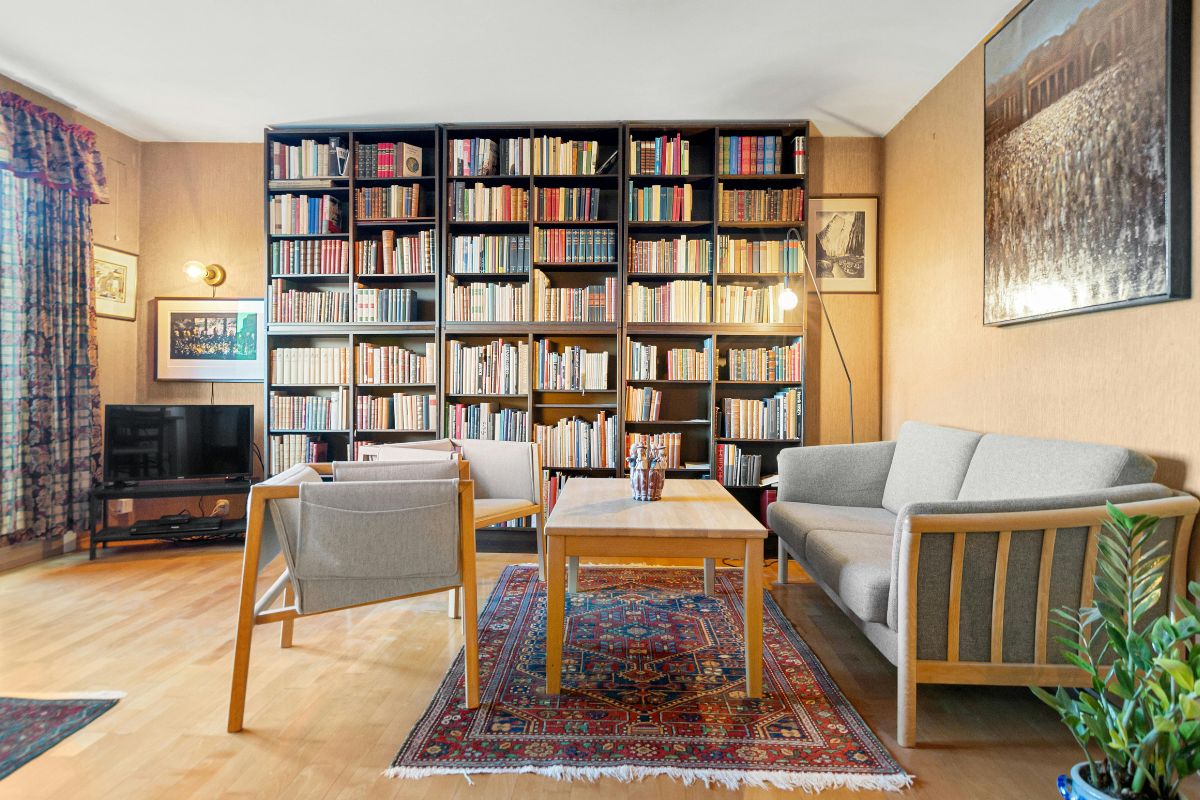
This detail can tip the scales when families compare similar listings. Real estate agents sometimes highlight these nooks because they create a sense of character that a bare living room cannot. A fireplace may draw attention but a full shelf of worn covers sparks curiosity.
Bookshelves also carry symbolic weight. They stand as monuments to knowledge and stability. A home without them may feel incomplete to those who grew up in households where reading was part of daily life.
This cultural signal can cross borders too. From Paris to Buenos Aires from Delhi to Toronto homes with reading spaces give off the same sense of depth. They mark a universal human desire to preserve stories and ideas.
Reading Corners as Anchors of Memory
The home library or even a single corner with a lamp and chair can act like a diary written in wood and paper. Each book holds not only its content but also the memory of when it was read and why it mattered.
For some a copy of “Pride and Prejudice” carries echoes of school days. For others “One Hundred Years of Solitude” brings back a summer when life changed. These memories become part of the house itself.
Designers now consider this when planning interiors. They know that a reading corner can act as a cultural anchor.
Families moving across countries may lose touch with familiar streets yet the presence of a bookshelf gives them continuity.
In a way the house begins to breathe through the pages it shelters. Z library adds a digital layer but the physical arrangement inside a home still shapes identity.
The role of these spaces becomes clearer when looking at common patterns:
Memory and Belonging
A reading space often gathers books that connect people to their roots. It might include works in a native language or stories from ancestral lands.
Such collections make the home feel grounded even in a foreign setting. Memory and belonging are not abstract ideas but visible on the spines that line the shelf.
This continuity matters during moves or major life changes and the books act as a quiet but steady reminder of origin.
Reflection and Growth
Reading corners invite reflection. A person who returns to the same chair with a book each night builds a rhythm of thought and growth. It is not just a pastime but a practice of looking inward.
Growth happens in silence when words on a page trigger new perspectives. These spaces encourage a form of meditation without the rituals of formal practice. The lamp the chair and the shelf become symbols of steady development.
Sharing and Connection
Bookshelves often spark conversations. A guest who notices “The Catcher in the Rye” may recall their own reading of it. Another might point to “Sapiens” and begin a lively discussion.
In this way reading spaces serve as bridges between people. They help strangers find common ground and friends discover new sides of each other.
The act of sharing stories through visible collections deepens relationships and makes the home feel more welcoming.
Reading spaces also bring a sense of rhythm to everyday life. A corner that calls for quiet time can shape habits and influence how the household flows.
The Future of Reading Spaces in Real Estate
Homes keep changing yet the need for identity and belonging remains. Reading spaces will likely continue to play a role even as lifestyles shift.
Architects may build modular designs that allow for flexible use of space but shelves and corners for books will not vanish. They will adapt perhaps blending with technology while keeping the essence of cultural roots.
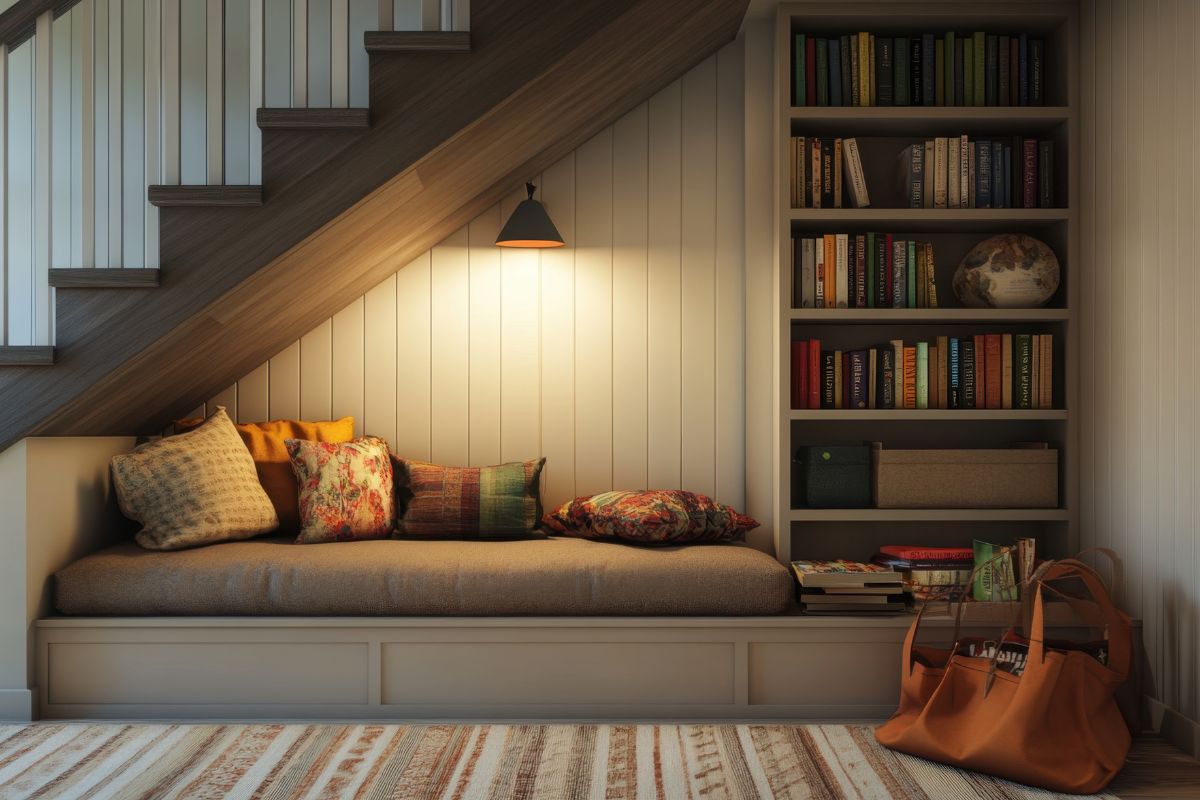
A well designed reading area adds value not only in money but in meaning. It turns a simple property listing into a story of life within walls.
People searching for homes often recognize this even if they do not say it aloud. They sense that a house with a dedicated place for reading carries more depth.
In the end such spaces are not luxuries but expressions of identity that shape how a house feels and how it becomes a home.
