
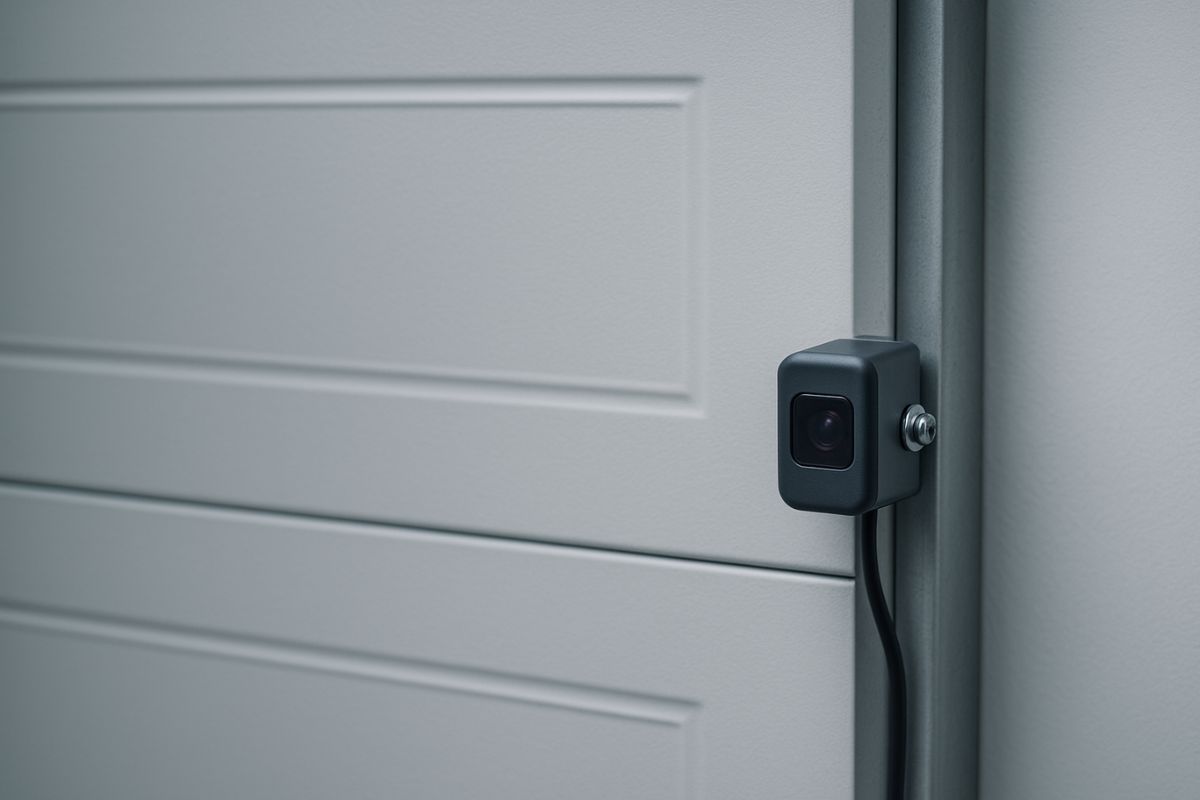
Ensuring the safety of your garage door is important for protecting young children and pets. Implementing effective safety measures can prevent accidents and provide peace of mind.
This article explores key strategies to enhance garage door safety and the role of professional services in maintaining these standards.
Creating a safe environment at home extends beyond common areas to include spaces like your garage. While often overlooked, garage doors can pose risks if not properly secured.
Understanding the importance of safety measures such as sensors and auto-reverse functions is vital. A1 Garage Door Service can assist homeowners with maintaining these features, ensuring optimal safety.
Implementing effective safety measures
Your garage door is not just an entryway but a significant component of your home’s security system.
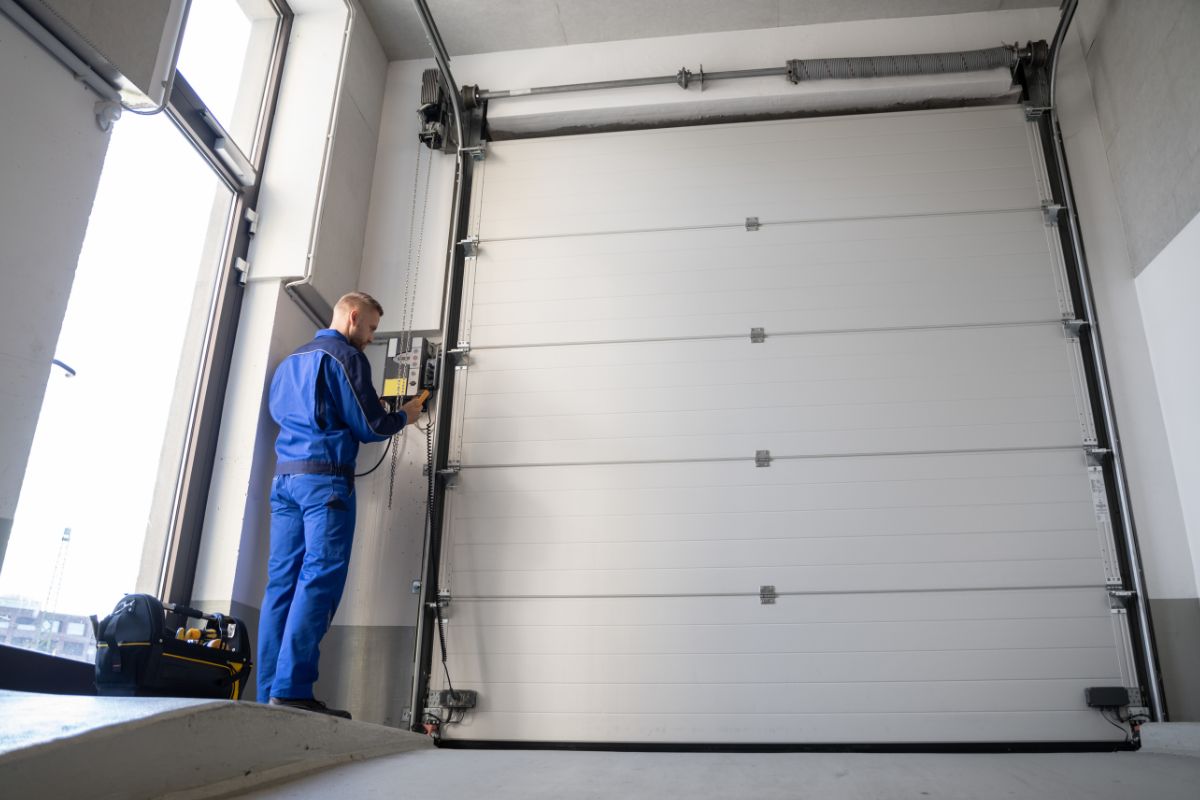
Ensuring it operates safely involves implementing features like sensors, which detect obstructions and prevent accidents.
Auto-reverse functions are equally important; they automatically reverse the door’s direction if an object is detected, reducing injury risks to children and pets.
Secure remote access further enhances safety by preventing unauthorized use of the garage door system.
Sensors act as a safeguard by continuously scanning for objects in the path of a closing door. When properly installed and maintained, these devices are invaluable in preventing harm.
Similarly, auto-reverse functions provide an additional layer of protection by responding immediately when an obstruction is encountered.
Together, these systems minimize the potential for injury and ensure the door operates safely under all conditions.
Beyond technological features, regular maintenance ensures that these safety measures function correctly.
By incorporating routine checks into your home’s upkeep schedule, you can catch potential malfunctions early.
This proactive approach not only extends the lifespan of your garage door components but also maintains a high standard of safety.
Modern garage door systems also incorporate smart technology features that enhance safety measures.
These include smartphone notifications when the door is left open, scheduled closing times and real-time monitoring capabilities.
Such innovations allow homeowners to verify their garage door’s status remotely and ensure it hasn’t been accidentally left open, particularly during nighttime hours or when away from home.
These smart features complement traditional safety mechanisms, creating a comprehensive security solution.
Weather conditions can significantly impact garage door safety systems. Extreme temperatures, moisture, and debris can affect sensor performance and mechanical components.
Installing weather-resistant covers for sensors and regularly cleaning tracks and other vital parts helps maintain optimal safety performance year-round.
Additionally, considering seasonal maintenance schedules that account for specific weather-related challenges in your area can prevent safety system failures when you need them most.
Practical tips for protecting children and pets
Protecting young children and pets around garage doors requires vigilance and practical strategies.
Educating family members about the potential dangers associated with garage doors is a fundamental step in prevention.
Instilling habits such as never standing under a moving door or playing near it can significantly reduce accident risks.
In addition to education, physical barriers can be employed to keep children and pets away from the garage area when the door is in use.
Simple solutions like installing gates or setting up play areas at a safe distance can make a substantial difference in ensuring their safety. These measures are especially useful during busy times when supervision may be less focused.
Implementing childproof locks on garage doors adds another layer of security. These locks prevent unauthorized access and accidental operation by curious little hands or paws.
Combined with regular maintenance checks, these precautions form a comprehensive approach to safeguarding your loved ones.
Creating visual reminders and warning signs around the garage area can significantly improve safety awareness.
Bright tape marking safe zones, clear signage about door operation rules, and designated waiting areas can help establish consistent safety habits.
For pets, consider installing motion-activated lights that illuminate the garage area, helping them navigate safely during darker hours and alerting you to their presence near the door.
The value of engaging professional services
While DIY approaches can address some aspects of garage door safety, professional services offer expertise in maintaining optimal standards.
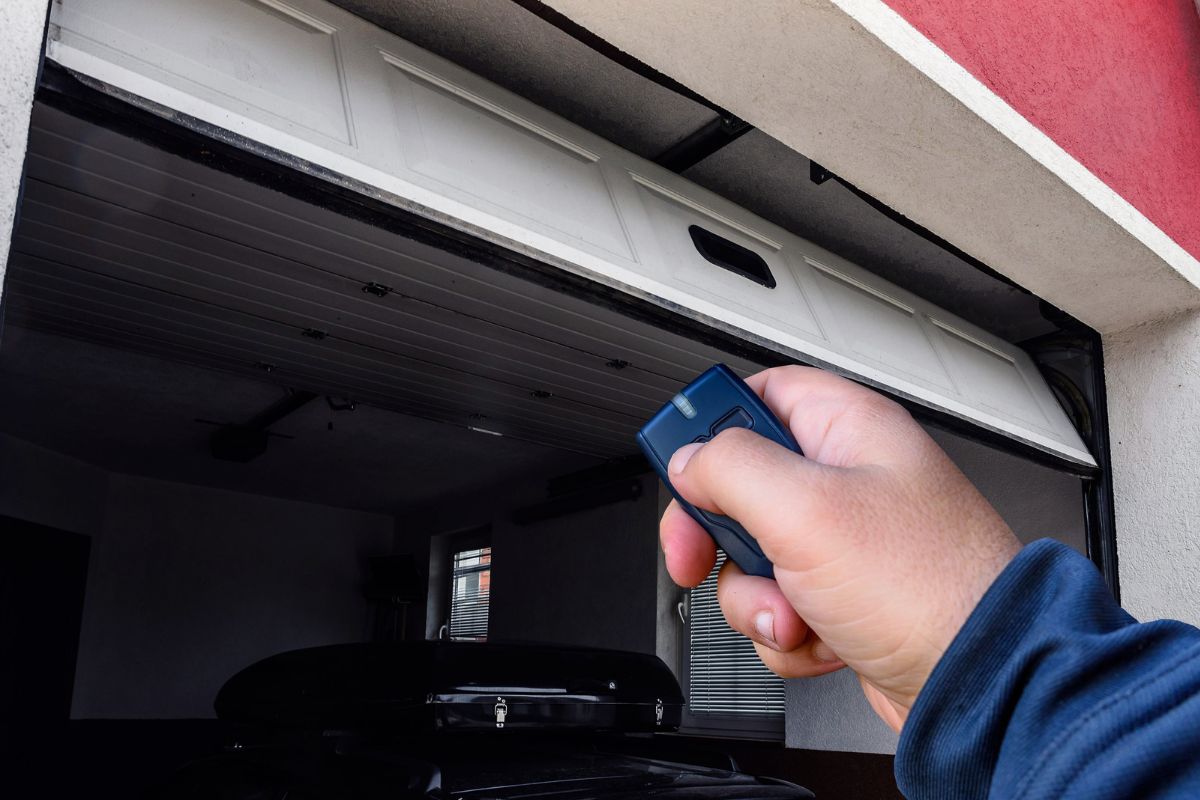
Regular inspections by experts ensure that all safety mechanisms function correctly and efficiently.
Professionals bring knowledge and experience that can identify potential issues before they escalate into costly repairs or dangerous situations.
They provide tailored recommendations based on the specific needs of your garage door system, ensuring comprehensive protection.
Engaging experts also means you benefit from advanced diagnostic tools that enhance the accuracy of assessments. Professional maintenance not only extends the life of your garage door components but also enhances overall home security.
By investing in routine service visits, you secure peace of mind knowing that your family is protected by robust safety mechanisms expertly maintained by seasoned professionals.
Professional technicians also stay current with the latest safety standards and regulations in the industry.
This expertise ensures your garage door system not only meets but often exceeds current safety requirements.
They can recommend upgrades when necessary and provide documentation of safety inspections, which can be valuable for insurance purposes or when selling your home.
Regular professional maintenance also helps maintain warranty coverage on newer garage door systems.
Peace of mind through proper implementation
Integrating safety measures into your garage door system offers significant peace of mind for homeowners concerned about family safety.
The combination of advanced technology and professional oversight creates an environment where risks are minimized effectively.
Sensors and auto-reverse functions form the cornerstone of this protective framework, while secure remote access provides additional control over who enters your space.
These technologies work together to prevent accidents before they occur, offering reassurance to families with young children or pets.
By embracing both technological solutions and expert services, you establish a proactive approach to home safety that prioritizes well-being above all else.
As you consider how best to protect your loved ones, remember that each measure contributes significantly towards creating a safer living environment.
Regular testing and maintenance schedules further reinforce this peace of mind. Monthly safety checks of sensors, springs, and auto-reverse mechanisms become routine practices that involve the whole family.
This proactive approach not only ensures continuous protection but also helps family members understand the importance of garage door safety.
Creating this culture of safety awareness contributes to a more secure home environment where everyone plays a role in maintaining protective measures.
