
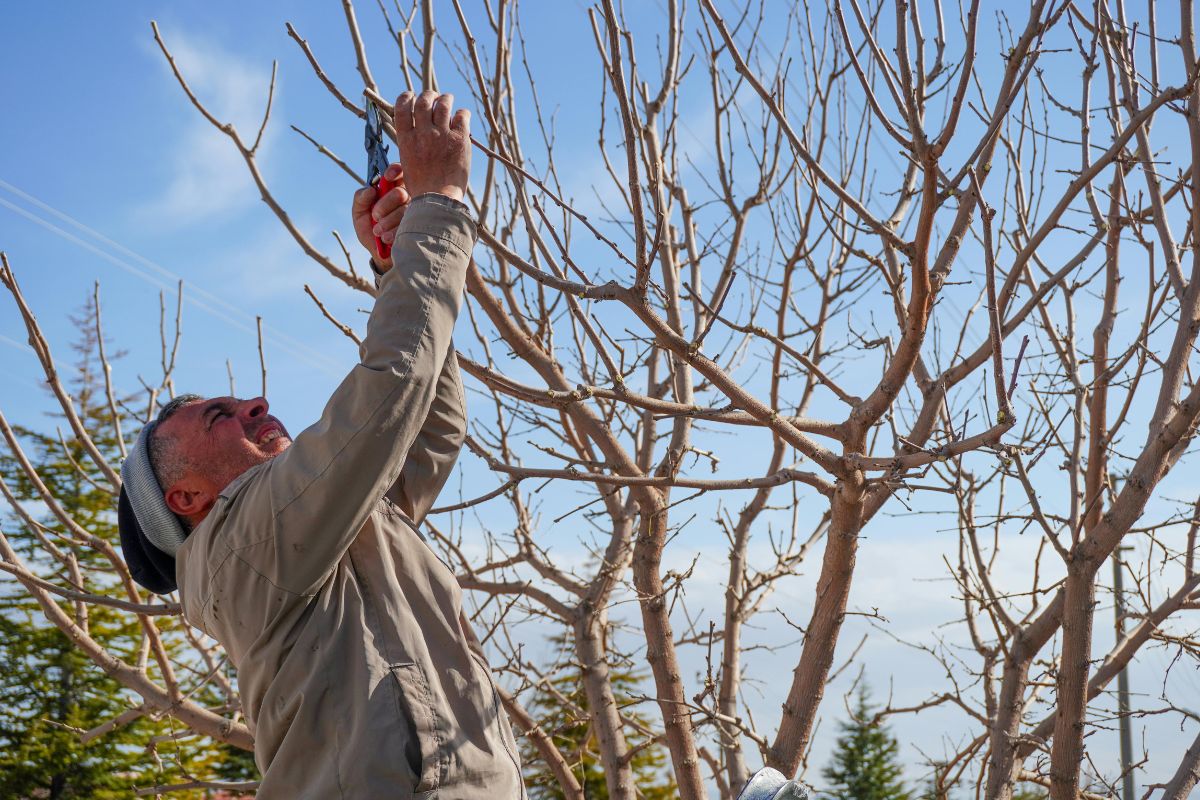
Santa Barbara property owners often see tree work as yard maintenance. Spring and early summer can turn it into a safety issue.
Rain can push fast growth along fences, slopes, and shaded corners. Dry weather can then leave dead limbs, leaf piles, and brush closer to buildings.
Trees still belong in healthy yards because they bring shade, soil support, and habitat. The problem starts when deadwood, low branches, or clogged gutters sit too close to structures.
Good tree care should remove hazards while keeping useful trees in strong condition.
Local Tree Work Should Begin With Fire Risk
Property owners comparing Tree Services in Santa Barbara, CA should start with defensible space.
CAL FIRE describes defensible space as the buffer between a structure and nearby wildland areas.
The agency says it helps slow fire spread and gives firefighters safer working space around homes.
Its guidance also separates the area around buildings into zones for fuel reduction and vegetation care.
That makes tree trimming more than a cosmetic task in fire-prone neighborhoods. It becomes part of regular property safety work.
Healthy Trees Still Need Space Around Homes
Defensible space does not mean removing every tree near a building. The Santa Barbara County Fire Safe Council says well-maintained trees and native plants can fit a defensible space plan.
It also notes that bare dirt around a home is not the goal. That point matters in a city where mature trees shape shade, privacy, and street character. Tree care should reduce fuel, not erase the yard.
A healthy tree can still create risk when branches sit too close. Leaves can collect in gutters. Dry limbs can hang above rooflines.
Dense shrubs under trees can carry fire upward. A tree touching a structure can also invite roof damage during wind.
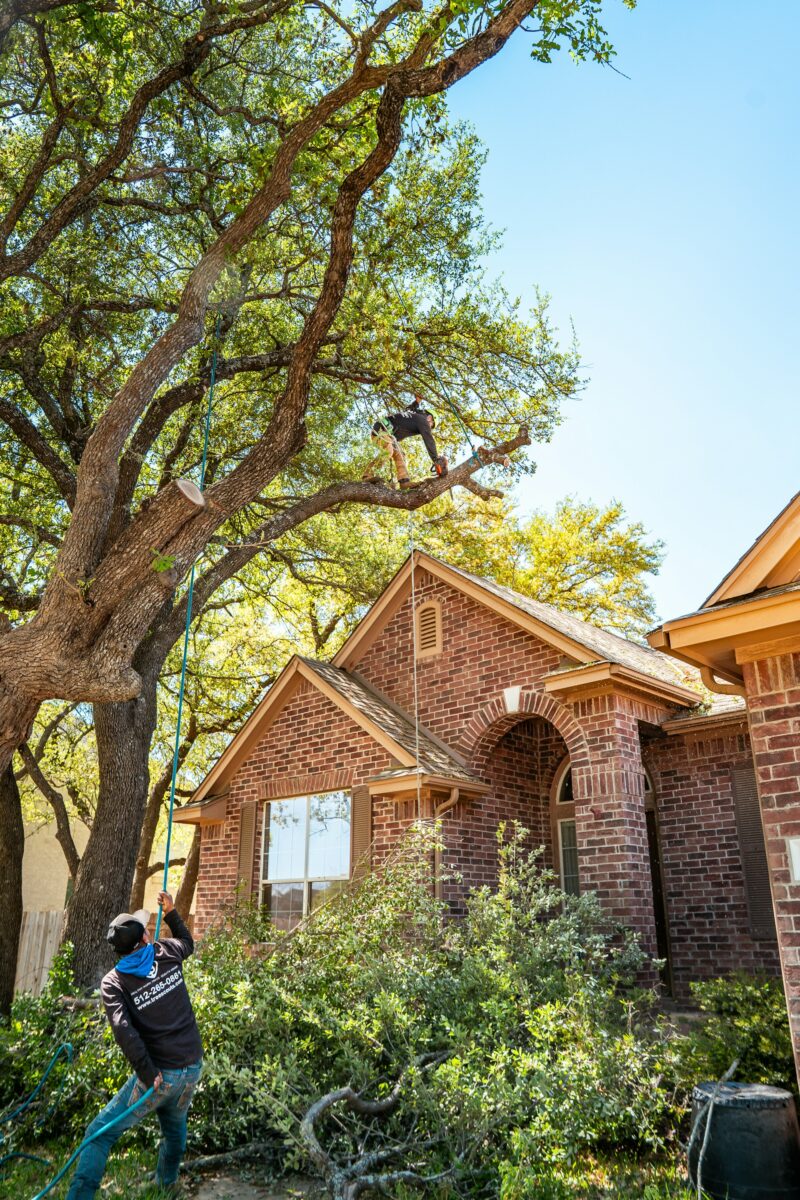
The better approach is selective work. Crews can lift low limbs, remove deadwood, clear roof contact, and haul debris.
Property owners should ask how each cut affects tree health. Harsh cutting can stress trees and create weak regrowth later.
Questions To Ask Before Tree Work Begins
Tree estimates should be clear and practical. A property owner needs more than a total price. The estimate should explain which trees need work first.
It should also state whether cleanup, hauling, stump work, and roof clearance are included. Santa Barbara yards may have slopes, narrow drives, shared fences, and protected trees.
Those details affect labor, safety, and scheduling. A quick quote without a close look can miss real problems.
Before approving tree work, ask:
- Which branches are dead, cracked, or touching structures?
- Will the crew clear gutters or roof debris?
- Does any tree show disease or unstable growth?
- Will pruning reduce risk without weakening the tree?
- Are city or county rules involved?
- How will debris be removed from slopes?
Tree Rules Can Affect Removal Plans
Tree removal can involve local review, especially for protected trees or public trees. The City of Santa Barbara says residents must apply for removal review in specific situations.
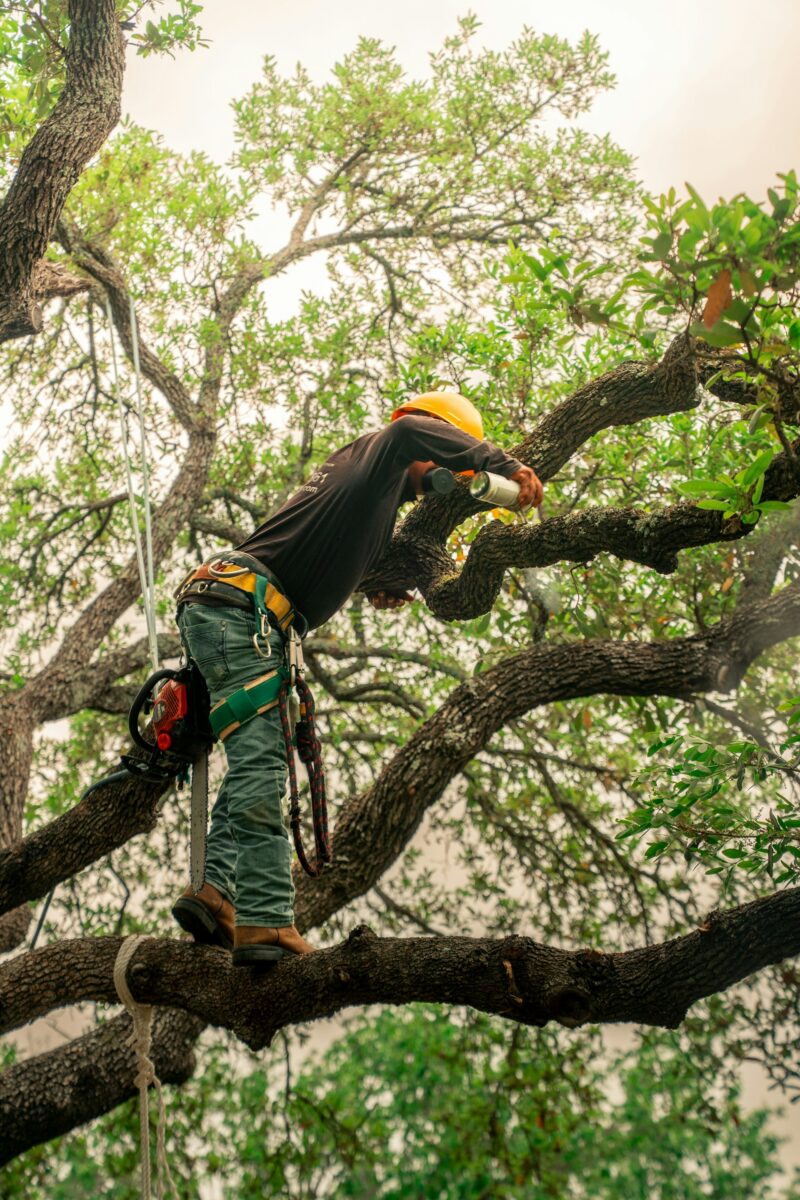
Its urban forestry page also states that parkway tree removal and trimming may only be done by city staff.
Property owners should check rules before cutting mature trees near streets or public areas. That step helps avoid fines, delays, and unnecessary tree loss.
Records Help Owners Plan Tree Care
Tree work becomes easier when owners keep notes. Photos, invoices, species names, pruning dates, and problem areas all help.
A mature oak may need different care than a palm or fruit tree. A young tree may need shaping before heavy branches form.
Records also show repeated trouble spots. If the same limb area cracks again, the tree needs closer review. If one corner fills with dry debris, cleanup timing should change.
Records also help during sales, insurance questions, and rental management. They show that the owner handled maintenance before damage appeared.
Larger properties can use records to plan annual budgets. Spring inspections can guide summer fire preparation.
Fall reviews can prepare trees for wind and rain. This rhythm keeps tree care planned, not rushed after a branch falls. It also helps crews work with better context on each visit.
Safer Yards Start Before The Warning
Tree care is easier before a notice arrives or a limb hits the roof. Santa Barbara owners can use spring to check deadwood, roof clearance, gutters, slopes, and driveway access.
They can also protect healthy trees that cool yards and support local habitat. The right work should leave the property safer, cleaner, and still alive with shade.
Cutting everything back without judgment can create new problems. Careful pruning and cleanup usually serve the property better.
A good tree service visit should feel specific to the site. A canyon home, rental duplex, small storefront, and hillside property need different work.
The crew should explain risks in plain English and leave clear notes. With steady care, trees can remain part of Santa Barbara’s character without becoming hidden hazards.
That is the kind of property work worth doing before the hottest months arrive.
