

One of the most important financial decisions you’ll ever make is buying a home, but signing a mortgage is usually an important aspect.
While you may easily get caught up in the excitement of homeownership, you must carefully consider your options before committing to a mortgage.
Besides being a loan, a mortgage is a long-term financial responsibility that can affect your credit, budget, and plans for an extended period.
Staying informed beforehand can save you a lot of trouble, so read more to discover the things you must consider.
What Advantages Does a Mortgage Offer?
Mortgages offer several advantages that exceed simply borrowing money.
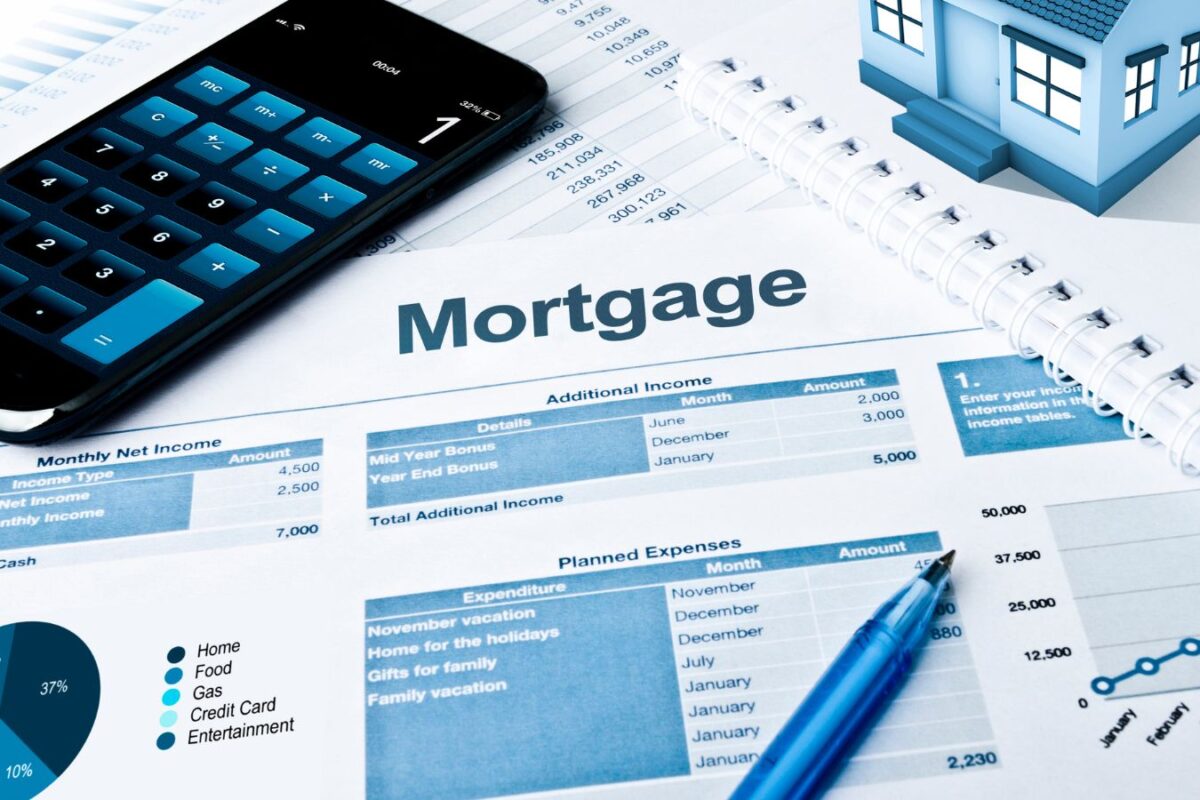
They offer long-term benefits, allowing people to attain quicker homeownership. Here are six advantages that come with leveraging mortgages.
Early Homeownership
One important advantage mortgages offer is supporting early homeownership.
Instead of waiting years to save the full amount, a mortgage allows you to buy a home now and make the payments over time.
This enables you to build liquidity, enjoy stability, and benefit from property value appreciation. You can enjoy all these while living in your own home sooner rather than later.
Leverage
Mortgages also offer leverage to homebuyers by providing full control of the house. This is possible even when buyers invest only a fraction of the home’s total cost.
With a small down payment, you can easily own property that appreciates over time.
This can boost your return on investment while preserving cash for other financial endeavors, needs, or emergencies.
Full Control and Privacy
With a mortgage, you can enjoy full control and privacy in your home, something that you may not get by renting.
You can renovate, decorate, and live as you please without any restrictions from a landlord.
Owning your space also offers stability and a sense of personal freedom. This then allows you to create an environment that reflects your preference, style, and long-term vision.
An Improved Credit Rating
A mortgage can positively impact your credit rating when managed responsibly.
Making consistent, timely payments shows lenders that you’re financially reliable, and this boosts your credit score over time.
This improved credit rating can enable you to secure better loans, enjoy lower interest rates, and gain access to greater financial opportunities.
Besides being an investment, your mortgage is a valuable tool for building credit.
Better Cash Flow
A mortgage allows for better cash flow by spreading the cost of a home over many years, rather than requiring full payment upfront.
This frees up funds for other important expenses like savings, investments, or emergencies.
With clear-cut monthly payments, you can manage your budget more effectively while still building equity in your property over an extended period.
Tax Benefits
Another important advantage of mortgages is the potential tax benefits they offer.
Homeowners can deduct mortgage interest and property taxes from their taxable income, cutting down their overall tax burden.
These deductions can help you save more and even gather more free funds for investing.

What to Consider Before Signing a Mortgage
Most homebuyers, especially first-time buyers, often find mortgages quite confusing since it may be their largest financial commitment.
You must ensure that you’re happy with the terms of your mortgage before committing to it. Here are some things to consider beforehand.
The Interest Rate
The interest rate is an important factor to consider before agreeing to a mortgage. It directly affects your monthly payments and the total cost of your loan.
Even a tiny difference can add up to thousands for the mortgage. Always compare fixed and variable rates, understand market trends, and ensure that the rate matches your budget and financial goals.
The Products and Fees Involved
Before signing a mortgage, carefully evaluate the products and fees involved.
Mortgages come with various options, including fixed, variable, and offset, with each having its upside and downside.
Keep an eye out for hidden costs like application fees, valuable charges, and early repayment penalties.
Understanding all of these can help you choose the perfect option and avoid unexpected expenses.
Purpose of the Mortgage
You must also determine the purpose of the mortgage before committing to it.
Figure out if you’re buying a primary residence, a rental property, or simply refinancing an existing loan.
The mortgage type, interest rates, and terms can vary widely, depending on your goal.
By clarifying your purpose, you can choose the most suitable product and structure the loan.
The Term and Amount Financed
You must also consider the amount financed and the term before signing a mortgage.
A longer term may lower monthly payments but increase the total interest you pay, while a shorter term helps you save on interest but requires higher monthly payments.
Work with experts like Cardinal Financial to find the right mortgage that fits your needs and plans.
The Available Homeowners’ Insurance
Before finalizing a mortgage, assess the available homeowners’ insurance options.
Lenders usually require coverage, but costs and coverage levels can vary quite significantly.
Look for policies that protect against damage, liability, and natural disasters.
Affordable and comprehensive insurance safeguards your home and enables you to meet lender requirements.
You can achieve this without adding to your monthly expenses or straining your finances further.

Your Credit Score
Your credit score plays an important role in mortgage approval and the interest rate you’ll receive.
A higher score can qualify you for better terms, saving you money over time. Before committing to a mortgage, review your credit report, correct errors, and improve your score if possible.
Entering the mortgage process with a strong credit improves your financial leverage and long-term affordability.
The Mortgage Portability
You must also consider the mortgage portability before signing one.
This allows you to transfer your existing mortgage to a new property if you move, potentially saving on penalties and securing your current interest rate.
If your plans involve relocation, choosing a portable mortgage offers flexibility and financial stability, helping you avoid costly mortgage refinancing.
Endnote
While a mortgage offers leverage, early homeownership, tax benefits, and better cash flow, you must consider several factors before committing to one.
You must factor the interest rate, products and fees involved, its purpose, term, amount financed, your credit score, and the portability.
