
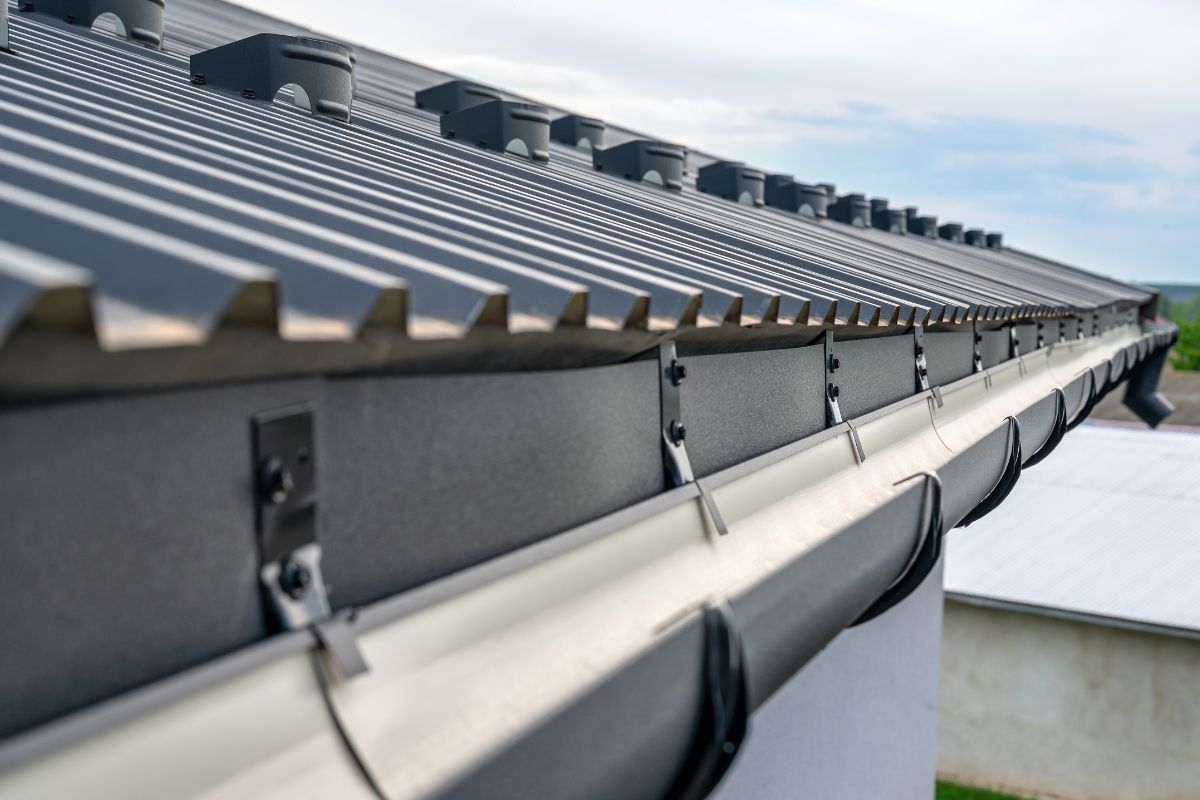
Brisbane, with its distinctive subtropical climate, presents unique challenges for homeowners, particularly when it comes to maintaining roof durability.
The region’s climate, characterised by high temperatures, intense rainfall, and occasional severe weather, directly affects the lifespan and performance of roofing materials.
Understanding how these climatic factors impact roofs is crucial for preventative maintenance and ensuring the longevity of one’s home.
For homeowners in Brisbane, the importance of maintaining a durable roof cannot be overstated.
As the first line of defence against the elements, a well-maintained roof protects the home from water damage, structural issues, and energy loss.
Yet, many homeowners may not fully grasp how specific climate conditions can affect their roofs, leading to unexpected repair costs and potential safety hazards.
This article delves into the relationship between Brisbane’s climate and roof durability, offering insights into how heat, humidity, and severe weather events impact roofing materials.
By understanding these factors, homeowners can implement effective strategies for protecting their investment and enhancing the longevity of their roofs.
Overview of Brisbane’s Climate
Brisbane enjoys a subtropical climate, characterised by hot, humid summers and mild, dry winters.
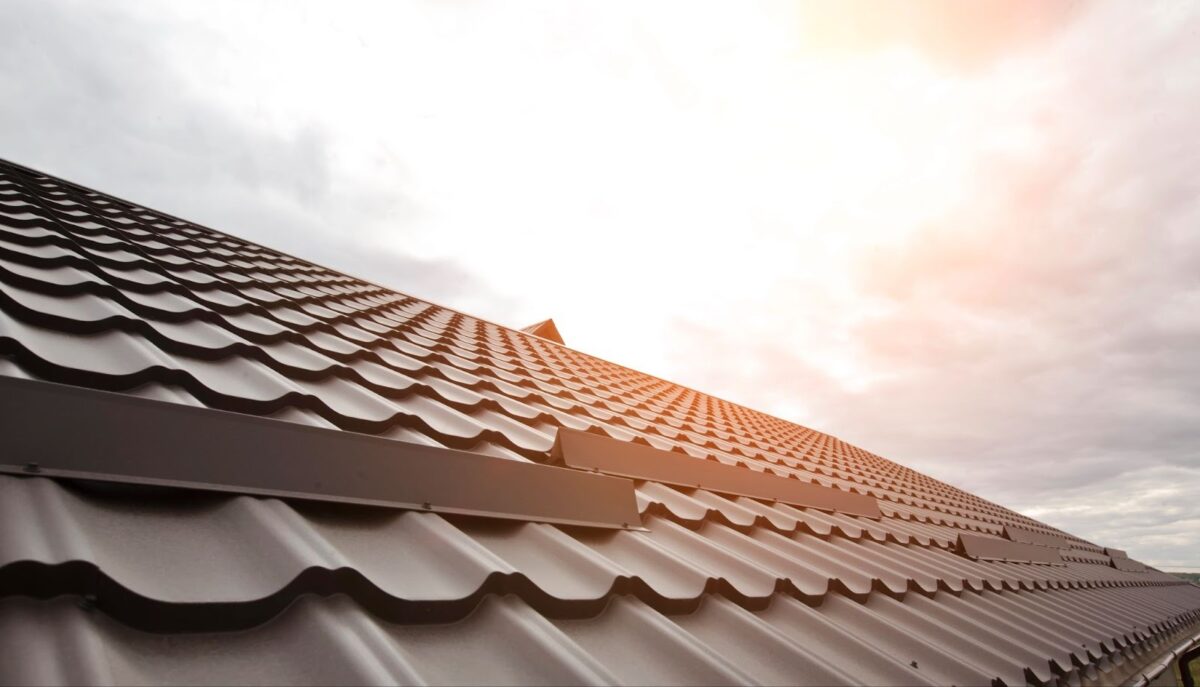
The city’s climate is influenced by its proximity to the coast, resulting in high humidity levels and significant rainfall during the summer months.
On average, Brisbane receives approximately 1,200 millimetres of rainfall annually, with the majority falling between November and March.
Seasonal variations in Brisbane also play a role in shaping the climate’s impact on roof durability.
During summer, temperatures often soar above 30 degrees Celsius, while winter brings cooler, more pleasant weather.
These fluctuations can lead to thermal expansion and contraction of building materials, potentially affecting the integrity of roofs over time.
Extreme weather events, such as thunderstorms, cyclones, and hailstorms, are not uncommon in Brisbane.
The presence of these weather phenomena can wreak havoc on roofs, causing significant damage and reducing their lifespan.
Therefore, understanding the role of these climate factors is essential for maintaining roof durability in the region.
The Impact of Heat and Sun Exposure
Brisbane’s high summer temperatures can significantly affect roofing materials, especially those not designed for such intense heat.
Prolonged exposure to high temperatures can cause roofing materials to degrade faster, lose their protective qualities, and become brittle. This degradation is a major concern, as it can lead to leaks and structural issues.
UV radiation, a byproduct of the sun’s rays, is another factor that affects roof longevity. Over time, UV radiation can cause roofing materials to break down, leading to discolouration, warping, and cracking.
These changes not only impact the aesthetic appeal of roofs but also compromise their protective function.
Thermal expansion and contraction are also at play in Brisbane’s climate. When materials expand in the heat and contract in cooler temperatures, they can weaken and stress roofing components, potentially resulting in damage.
To mitigate these effects, homeowners can invest in reflective coatings that reduce heat absorption and extend the life of their roofs.
Effects of Rainfall and Humidity
Brisbane’s climate is marked by heavy rainfall and high humidity, both of which pose risks to roof durability.
Moisture infiltration can lead to a host of problems, including leaks, mould growth, and structural damage. Ensuring that a roof is well-maintained and free of damage is crucial to preventing water-related issues.
Proper drainage systems play an essential role in preventing water damage. Guttering and downpipes must be kept clear of debris to ensure that water is directed away from the roof and foundations.
Without these systems, excess moisture can accumulate, leading to water damage and the growth of mould and mildew.
To combat mould, mildew, and rot, regular roof maintenance is key. Homeowners should conduct routine inspections, particularly during Brisbane’s wet season, to identify and address any potential problems early.
Prompt repairs and maintenance can help preserve the integrity of roofing materials and prevent costly damage.
Challenges Posed by Severe Weather Events
Brisbane experiences a variety of severe weather events, which can impose significant challenges to roof durability.
Cyclones, thunderstorms, and hailstorms are among the most common events, each bringing its own set of risks to roofing structures.
Strong winds associated with cyclones and storms can loosen and dislodge roofing materials, such as shingles and tiles.
Additionally, hailstones have the potential to cause dents, cracks, and punctures, leading to compromised roof integrity.
It’s important to note that roof damage from storms can vary, but it often requires immediate attention to avoid further deterioration.
Given these risks, employing robust roofing materials and construction techniques is essential. Homeowners should select materials designed to withstand severe weather, such as impact-resistant shingles and reinforced structural components.
Regular inspections and preparations are also vital for protecting roofs from severe weather. Homeowners are advised to conduct pre-season inspections, secure loose items, and ensure that drainage systems are functioning properly before severe weather strikes.
Best Practices for Enhancing Roof Durability in Brisbane
For homeowners looking to enhance their roof’s durability, selecting climate-appropriate roofing materials is crucial.
Opting for materials that can withstand Brisbane’s heat, humidity, and severe weather significantly increases a roof’s lifespan. Popular materials for the region include metal roofing, terracotta tiles, and asphalt shingles.
Regular roof inspections and timely repairs are equally important. Routine checks allow homeowners to identify minor issues before they escalate into major problems.
Timely repairs prevent water ingress, structural damage, and ensure that roofs remain in optimal condition.
Investing in professional roofing services is another strategy for maintaining long-term roof durability.
Professional roofers offer expertise and quality workmanship, ensuring that roofs are constructed and maintained to high standards.
Moreover, professional services can provide valuable advice on climate-appropriate solutions and materials.
Lastly, ongoing maintenance is crucial for extending the lifespan of roofs in Brisbane’s challenging climate. This includes regular cleaning of gutters, removal of debris, and addressing any signs of wear and tear.
By staying proactive, homeowners can prevent common roofing issues and enjoy long-lasting protection for their homes.
Protecting Your Roof Against Brisbane’s Harsh Climate
Brisbane’s subtropical climate places constant pressure on roofing materials, from intense heat and humidity to seasonal storms and heavy rainfall.
Understanding how these conditions affect your roof is key to preventing long-term damage and avoiding costly surprises down the track.
A durable, weather-resilient roof comes down to smart material choices, routine inspections, and prompt repairs when issues first appear.
By taking a proactive approach to roof care, homeowners can extend the life of their roofing system, protect their property’s value, and ensure their home remains safe and comfortable year-round.
Regular maintenance today can make the difference between minor upkeep and major repairs tomorrow—helping Brisbane homes stay strong, secure, and ready for whatever the weather brings.
