
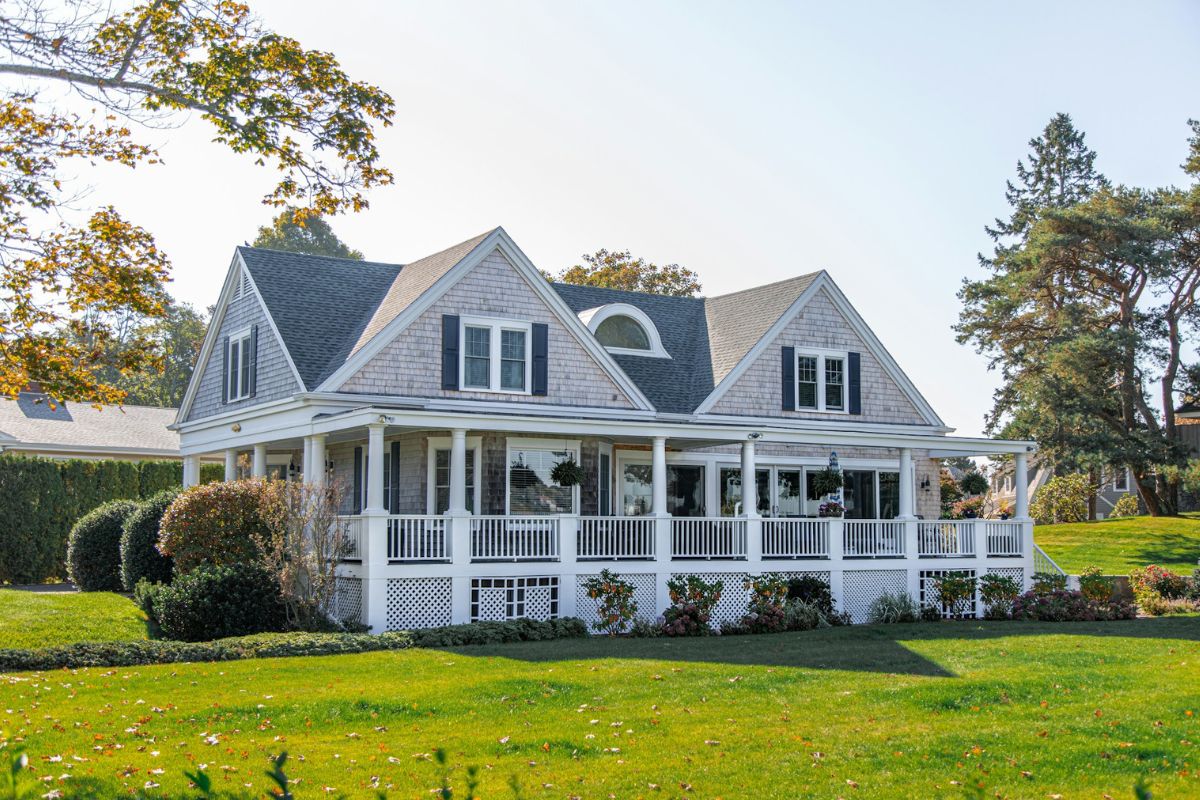
Deciding on a home in Virginia takes a lot more than picking a neighborhood or checking prices.
Some buyers imagine designing a house from scratch, selecting every feature and detail themselves, while others find comfort in existing homes with established neighborhoods and mature landscaping.
Both approaches have their pros and cons. While building a new home often allows control over layout, materials, and finishes, buying an existing home delivers immediate occupancy.
It’s important that you understand your personal priorities along with construction timelines and local market trends to make this decision. Let’s help you make this decision.

Buying a Home in Virginia
If you’re looking for a straightforward route to homeownership, this is your choice. Many neighborhoods already feature established communities and a sense of history that new builds cannot match.
Buyers often prioritize location, school districts, and proximity to work or amenities. You must understand these features to get a good deal on your home.
Pros of Buying a Home
Not everyone has the liberty or time to wait for long construction periods. If you’re in this boat and want immediate access, buying a home is the best option.
You can see the neighborhood, notice traffic patterns, check nearby amenities, and evaluate how the homes in the area are maintained.
Costs are often predictable since you know the price upfront. Plus, older homes tend to have character through unique architectural features or established gardens.
Some buyers also take advantage of homes that already have recent upgrades, so they don’t have to spend much after moving in, but still enjoy a fresher interior.
Cons of Buying a Home
It’s very rare for everything in an existing home to meet your preferences. You may love the kitchen, but the closets in the bedrooms may be too small for your liking. Or the yard may be a delight, but you may not like the interior layout.
Existing homes also often need repairs and modernization. Outdated electrical, plumbing, and insulation can add to your costs.
If you’re buying a home in a competitive area, the prices may be higher, and bidding wars sometimes force buyers to stretch their budget. In some cases, older homes may carry hidden maintenance issues that aren’t immediately visible.
When to Buy a Home in Virginia
Buying a home makes the most sense when you prefer a mature neighborhood and want to move in quickly. You may also want to capitalize on a current market opportunity in an area.
If you focus more on location than layout, or if renovations fit your budget and timeline, go for this option.
You’re the best judge of what you’re looking for in a house, so search accordingly to find a house closest in layout and design to your lifestyle.
Building a Home in Virginia
A custom home gives you control over everything from materials to design. You can select finishes, energy-efficient systems, modern floor plans, exterior elements, landscaping designs, and everything else according to your preference.
However, the downside comes in the form of construction time and (often) unexpected expenses.
Pros of Building a Home
Building a home benefits you if you want to customize the space for your taste and lifestyle. New constructions typically have the latest energy-efficient systems and appliances.
You also avoid the wear and tear of an older home, which reduces maintenance in the first few years. Since you choose a lot yourself, you can also prioritize views and yard size. Many builders also include warranties that cover construction issues for several years.
Cons of Building a Home
Construction of a new house can take months or more than a year, which can delay occupancy. Costs often exceed initial estimates due to material price changes or unexpected construction challenges.
It can also be difficult to find the right lot in the preferred neighborhood. Decisions on designs and materials can be overwhelming.
To make matters worse, mistakes can result in expensive revisions. Financing construction differs from standard mortgages and may require extra planning.
When to Build a Home in Virginia
Building a home works well for you if you’re looking for a personalized space that meets every criterion you have. It suits people with flexible timelines and the ability to manage or delegate construction decisions.
It’s best to work with a seasoned home builder in Virginia, as they can bring in their expertise to assist you through the process.
They can also handle the paperwork and local zoning requirements to save you any legal trouble later.
For example, a custom home builder Richmond VA would be familiar with local neighborhoods and any legal requirements to keep your home-building process peaceful and well-managed.
If you’re planning to take this route, vet the builder properly by reviewing their past projects, speaking with previous clients, confirming their license, and examining contracts closely.

Financing Options for Buyers and Builders in Virginia
If you’re planning to purchase a home, the most common financing route is a traditional mortgage.
These loans let buyers borrow a lump sum and repay it over years, usually with fixed or adjustable interest rates and terms of 15 or 30 years.
Many lenders require a down payment and a review of your credit history, income, and debt levels before approval.
Government-backed mortgages, such as Federal Housing Administration or Virginia Housing loans, sometimes offer lower down payment options.
Builders and prospective homeowners heading toward construction will encounter different loan structures. Construction loans are short-term financing that cover the costs of building, including labor, materials, permits, and land (if you don’t already own a lot).
These loans are typically issued for a period of 12 to 18 months while the home is under construction and often require interest-only payments during that time.
Some builders and buyers also use specific programs that combine land purchase and construction financing.
These may include government-issued options, such as USDA one-time close loans, that cover the land, construction, and permanent loan in one package. In many cases, these programs offer flexible terms and reduced upfront requirements.
Endnote
Virginia homeownership comes down to priorities, timing, and how much control you want over the final result.
Buying a home is best for those who value location, quicker move-in dates, established neighborhoods, and predictable pricing.
Building appeals to buyers who want design control, modern systems, long-term comfort, and a home built for their daily routines.
While each option has trade-offs related to cost and timelines, the decision between them depends on your personal goals.
Whatever you choose, make sure you pair your decision with professional guidance to keep the journey as stress-free as possible.
