
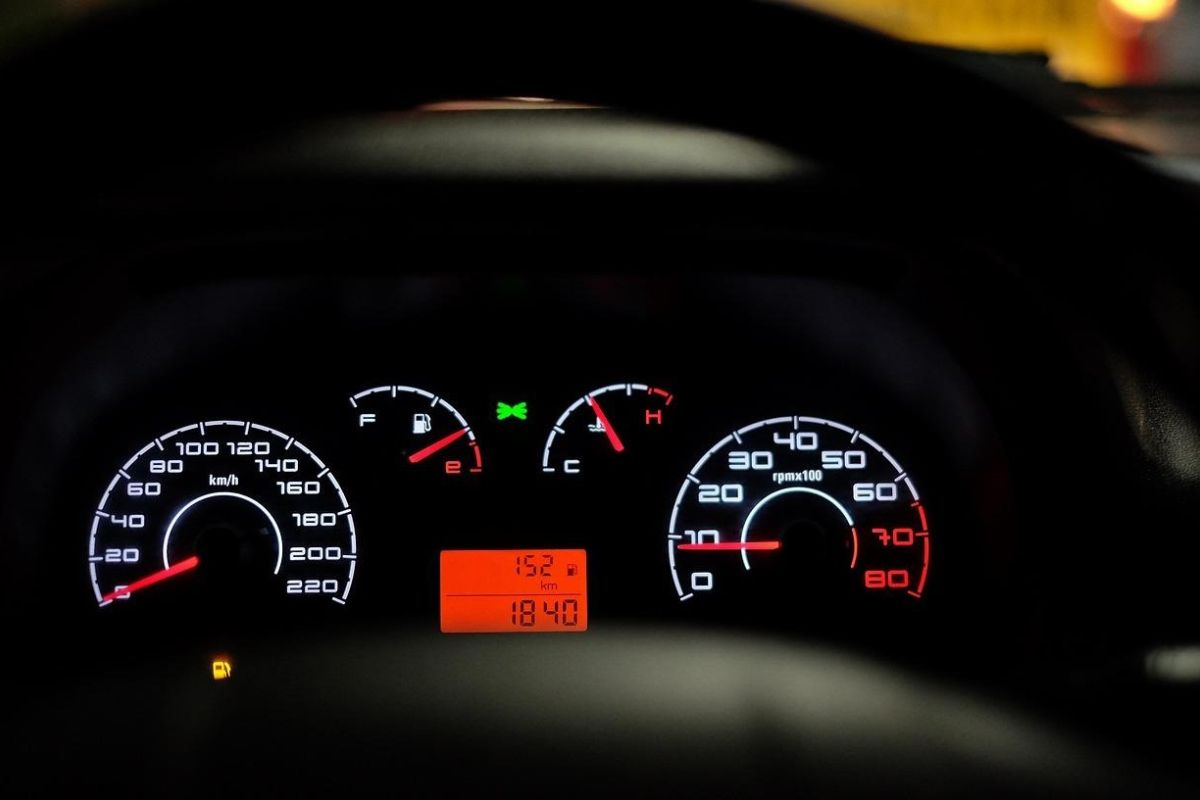
Fuel prices have been rising steadily, and for many households and businesses, the increased cost at the pump is starting to put a noticeable strain on monthly budgets.
Daily commuting, errands, and road trips all contribute to fuel spending, and even small price fluctuations can add up quickly over time.
Fortunately, there are practical ways to offset these costs without changing your driving habits, and one of the easiest is leveraging credit card rewards.
How Fuel Costs Impact Your Budget
Gas is a recurring and unavoidable expense for most people.
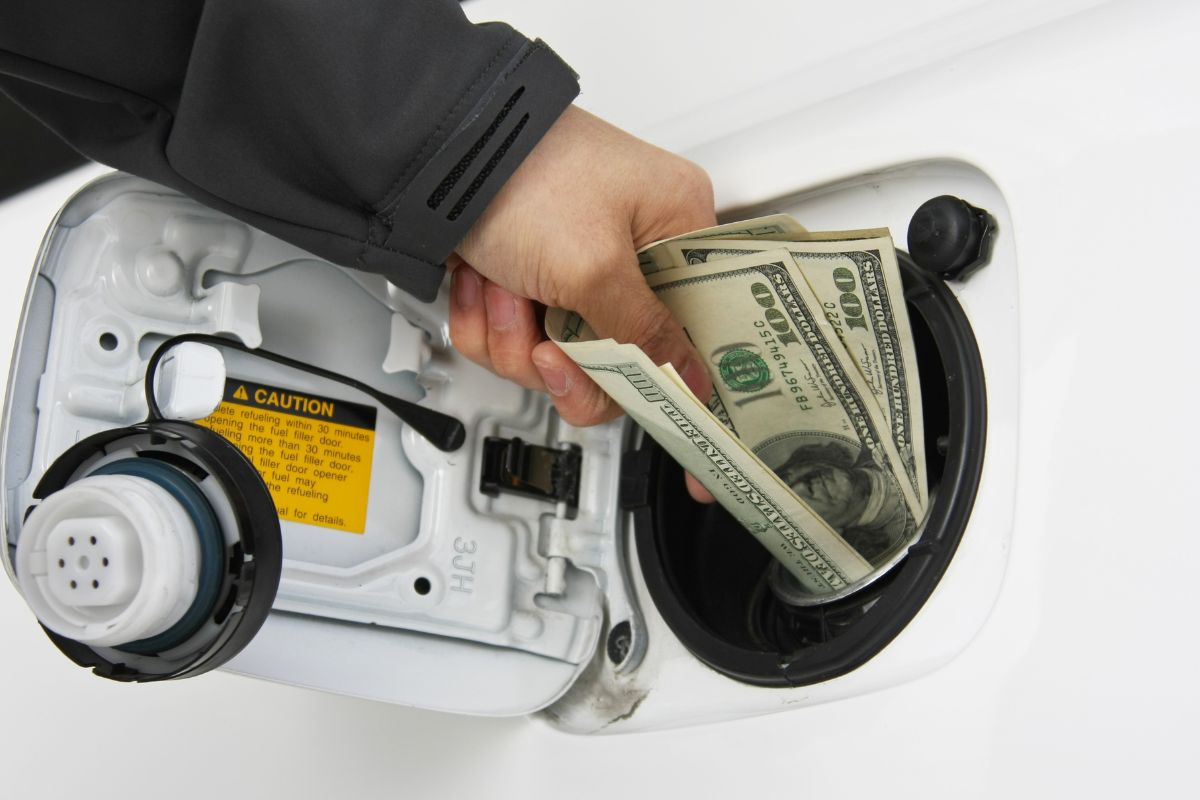
For commuters who drive daily, families making multiple trips a week, or small businesses with vehicle fleets, rising gas prices can significantly affect finances.
Even small reductions in cost per gallon can translate into meaningful savings over the course of a month or year.
Credit card rewards provide a way to recapture some of that spending, turning everyday fuel purchases into tangible financial benefits.
Understanding Credit Card Rewards Programs
Most rewards cards offer cash-back, points, or miles on everyday purchases. Cash-back cards provide a percentage of each purchase back as a statement credit, while points or miles can be redeemed for travel, gift cards, or merchandise.
Because fuel is a recurring expense, using a card that rewards fuel purchases can deliver consistent savings with little effort.
Rewards programs often vary by category, so it’s important to understand which cards maximize your benefits. Some cards offer higher cash-back percentages at gas stations, while others provide bonus points for general spending categories.
Choosing the Right Card
When selecting a credit card to offset fuel costs, consider several factors: the reward rate for gas purchases, annual fees, redemption flexibility, and any partner network restrictions.
The goal is to align the card with your regular spending habits so you can maximize rewards without changing how you drive.
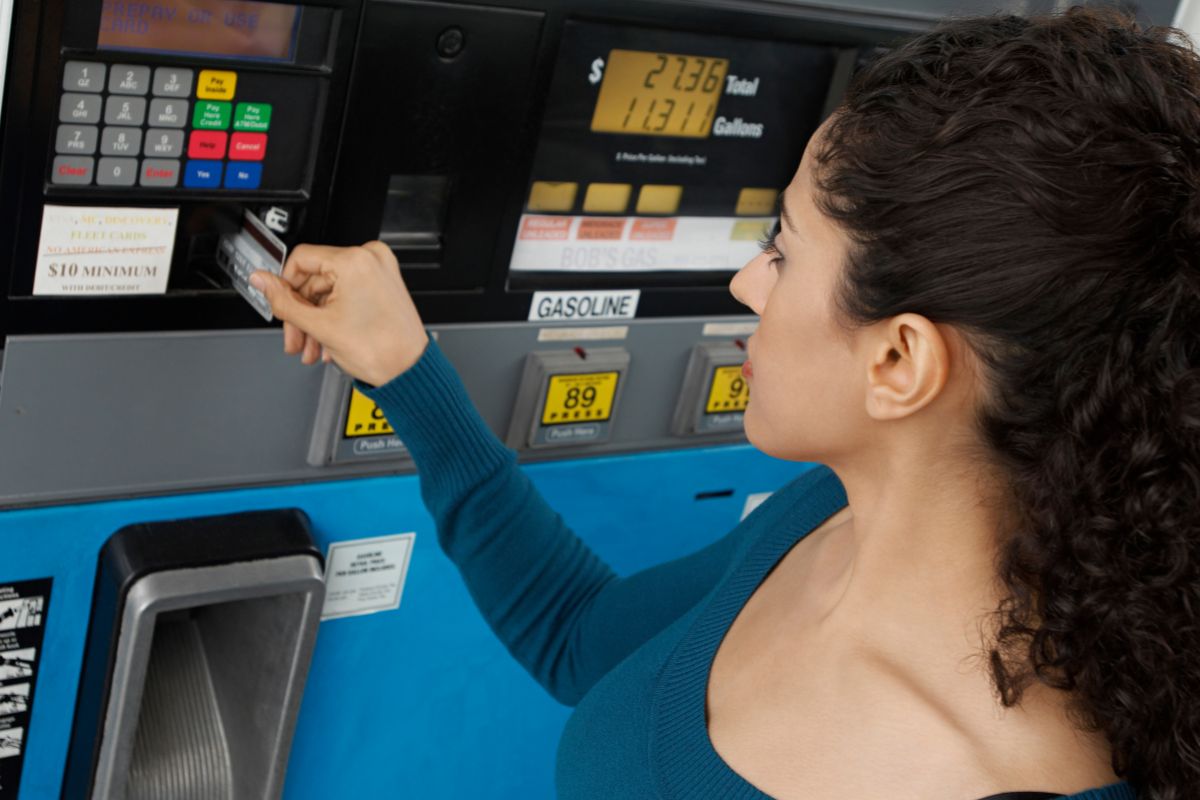
For example, frequent drivers who consistently purchase fuel at the same chain may want to apply for BP gas credit card to earn points or cash-back on routine fill-ups.
Cards like this allow you to accumulate rewards on fuel you’re already buying, helping to lower your effective cost per gallon while making the process effortless.
Other Strategies to Maximize Savings
In addition to rewards cards, there are several simple strategies to reduce fuel costs:
- Track local fuel prices: Use apps to find cheaper gas stations along your normal routes.
- Combine errands efficiently: Plan multi-stop trips to reduce unnecessary driving.
- Maintain your vehicle: Proper tire pressure, regular oil changes, and clean air filters improve fuel efficiency.
- Use loyalty programs: Gas station-specific rewards programs can often be stacked with your credit card for additional savings.
Even small adjustments and layered savings strategies can compound into substantial reductions over time.
Common Mistakes to Avoid
While rewards cards are effective, they come with caveats. Avoid overspending to chase rewards, as interest charges can negate any benefit.
Always pay balances in full and choose a card that fits your routine spending. A high-reward card is only valuable if you consistently use it for the purchases you would make anyway.
Long-Term Benefits
Consistent use of a rewards card for fuel can provide long-term financial benefits. Rewards accumulate over months, offsetting some of the effects of rising prices.
Many cards also offer bonuses in other spending categories, providing additional value beyond fuel purchases.
For businesses, these savings can meaningfully reduce operational costs, while for individuals, they can make daily commuting more affordable.
Conclusion
Rising gas prices are an unavoidable reality, but strategic use of credit card rewards offers a practical way to reduce their impact.
By pairing thoughtful spending, loyalty programs, and cards that reward fuel purchases—such as those that earn points or cash back—drivers can make routine trips more cost-effective.
Even small, consistent savings from rewards can accumulate over time, helping to make fuel costs more manageable without requiring any change to driving habits.
By choosing the right card and combining it with simple strategies like route planning and vehicle maintenance, you can keep your budget under control despite rising prices.
